

What materials are used to make a multistage pump?
As a reputable multistage pump supplier, I've witnessed firsthand the critical role that materials play in the performance, durability, and efficiency of these remarkable machines. Multistage pumps are engineered to handle a wide range of applications, from water supply and irrigation to industrial processes and oil and gas extraction. The choice of materials is not just a matter of preference; it's a strategic decision that directly impacts the pump's ability to meet the demands of diverse operating conditions.
Cast Iron
Cast iron is one of the most commonly used materials in the construction of multistage pumps, particularly for the pump casing. It is known for its excellent castability, which allows for the production of complex shapes with high precision. Cast iron offers good mechanical strength and wear resistance, making it suitable for handling water and other non - corrosive fluids in low - to medium - pressure applications.
The relatively low cost of cast iron also makes it an attractive option for pump manufacturers. However, it is important to note that cast iron is susceptible to corrosion, especially in environments with high levels of moisture or chemicals. To mitigate this issue, cast iron pump casings are often coated with protective paints or linings to extend their service life.
Stainless Steel
Stainless steel is a popular choice for multistage pumps used in applications where corrosion resistance is a primary concern. It contains chromium, which forms a thin, protective oxide layer on the surface of the metal, preventing rust and corrosion. Stainless steel is available in various grades, each with different levels of corrosion resistance, strength, and durability.
For example, grade 304 stainless steel is commonly used in general - purpose applications, while grade 316 stainless steel, which contains molybdenum, offers enhanced corrosion resistance in more aggressive environments, such as those with high chloride content. Stainless steel is also used for pump impellers, shafts, and other components that come into direct contact with the fluid being pumped. Its smooth surface finish reduces friction and improves the pump's efficiency.
Bronze
Bronze is an alloy of copper and tin, with other elements sometimes added to enhance its properties. It is valued for its excellent corrosion resistance, especially in marine and other water - based applications. Bronze is also known for its good machinability, which allows for the production of high - precision components.
In multistage pumps, bronze is often used for impellers, wear rings, and other parts that require good corrosion resistance and low friction. Its self - lubricating properties help to reduce wear and tear on the pump components, extending their service life. However, bronze is relatively expensive compared to cast iron, which may limit its use in some cost - sensitive applications.
Carbon Steel
Carbon steel is a strong and durable material that is commonly used in the construction of multistage pumps for high - pressure applications. It has a high carbon content, which gives it excellent strength and hardness. Carbon steel is often heat - treated to further enhance its mechanical properties.
In high - pressure multistage pumps, carbon steel is used for the pump casing, shafts, and other critical components. However, carbon steel is prone to corrosion, so it must be properly protected with coatings or other corrosion - prevention measures. Additionally, carbon steel may be subject to hydrogen embrittlement in certain environments, which can reduce its strength and durability.
Composite Materials
In recent years, composite materials have emerged as an alternative to traditional metals in the construction of multistage pumps. Composite materials are made by combining two or more different materials, such as fibers and resins, to create a material with unique properties.
Fiber - reinforced composites, for example, offer high strength - to - weight ratios, excellent corrosion resistance, and low thermal expansion. They can be molded into complex shapes, which allows for the design of more efficient pump components. Composite materials are also resistant to fatigue and wear, making them suitable for long - term use in demanding applications.
However, the use of composite materials in multistage pumps is still relatively limited due to their higher cost and the need for specialized manufacturing processes. As technology advances and production costs decrease, we can expect to see more widespread use of composite materials in the pump industry.
Ceramics
Ceramics are another material option for multistage pumps, particularly in applications where high hardness, wear resistance, and chemical resistance are required. Ceramics are made from inorganic, non - metallic materials and can be engineered to have specific properties.
Silicon carbide ceramics, for example, are extremely hard and wear - resistant, making them ideal for use in pump impellers and other components that are subject to high - velocity fluid flow and abrasive particles. Ceramics also have excellent chemical resistance, which allows them to be used in applications with corrosive fluids. However, ceramics are brittle and can be difficult to machine, which limits their use in some pump designs.
Selection of Materials Based on Pump Type
The choice of materials also depends on the type of multistage pump. For instance, in a Horizontal Split Multistage Pump, the casing is often made of cast iron or stainless steel, depending on the application. The impellers, which are responsible for increasing the fluid's velocity and pressure, may be made of stainless steel or bronze for better performance and corrosion resistance.
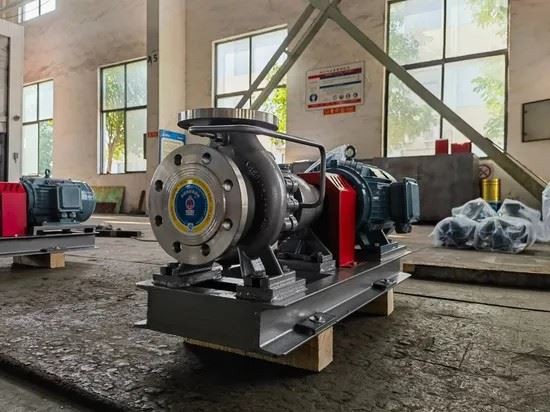

A Multistage Pressure Pump used in high - pressure applications, such as in industrial processes or water treatment plants, may have a carbon steel casing to withstand the high pressures. The impellers and other internal components are carefully selected based on the nature of the fluid being pumped, with stainless steel or ceramic being common choices for their durability and corrosion resistance.
In the case of a Multistage Submersible Centrifugal Pump, which is designed to operate underwater, materials with high corrosion resistance are essential. Stainless steel and bronze are often used for the pump's components to ensure long - term reliability in wet environments.
Importance of Material Compatibility
In addition to the individual properties of each material, it is crucial to consider material compatibility when designing a multistage pump. Different materials can react with each other in the presence of certain fluids or environmental conditions, leading to galvanic corrosion or other forms of degradation.
For example, if a stainless steel component is in contact with a carbon steel component in a wet environment, a galvanic cell may be formed, causing accelerated corrosion of the carbon steel. To avoid such issues, pump designers carefully select materials that are compatible with each other and with the fluid being pumped. They also use insulating materials or gaskets to separate different metals and prevent electrical contact.
Conclusion
The materials used to make a multistage pump are carefully selected based on a variety of factors, including the application, the fluid being pumped, the operating conditions, and the cost. Each material has its own unique properties and advantages, and the choice of the right material is essential for ensuring the pump's performance, durability, and efficiency.
As a multistage pump supplier, we understand the importance of using high - quality materials in our products. We work closely with our customers to understand their specific requirements and recommend the most suitable pump design and materials for their applications. Whether you need a pump for a simple water supply system or a complex industrial process, we have the expertise and resources to provide you with a reliable and efficient solution.
If you are in the market for a multistage pump, we invite you to contact us to discuss your needs. Our team of experts will be happy to assist you in selecting the right pump and answer any questions you may have. Let's work together to find the best pumping solution for your project.
References
- "Pump Handbook" by Igor J. Karassik et al.
- "Materials Science and Engineering: An Introduction" by William D. Callister Jr. and David G. Rethwisch.
- Industry standards and technical publications related to pump manufacturing and materials selection.