

Chemical dosing axial flow pumps are essential pieces of equipment in various industrial and environmental applications. As a supplier of these pumps, I've witnessed firsthand their versatility and the critical roles they play. In this blog, I'll explore the main applications of chemical dosing axial flow pumps, highlighting their significance in different sectors.
Water Treatment and Purification
One of the primary applications of chemical dosing axial flow pumps is in water treatment and purification plants. These pumps are used to introduce chemicals such as coagulants, flocculants, disinfectants, and pH adjusters into the water treatment process.
In the coagulation and flocculation stages, chemical dosing axial flow pumps precisely meter coagulants like aluminum sulfate or ferric chloride into the water. These chemicals help to neutralize the charge of suspended particles, causing them to clump together and form larger flocs. The axial flow design of the pump ensures a consistent and efficient flow of the chemical solution, which is crucial for effective coagulation. For more information on pumps suitable for such processes, you can visit our Axial Flow Chemical Process Pump page.
Disinfection is another critical step in water treatment. Chemical dosing axial flow pumps are used to inject disinfectants like chlorine or ozone into the water to kill harmful bacteria, viruses, and other pathogens. The ability to accurately control the dosage of the disinfectant is essential to ensure the safety of the treated water. Additionally, pH adjustment is necessary to maintain the water's chemical balance. Pumps are used to add acids or bases to the water to achieve the desired pH level.
Industrial Chemical Processing
In industrial chemical processing, chemical dosing axial flow pumps are used for a wide range of tasks. They are employed to transfer and dose various chemicals in manufacturing processes, such as in the production of plastics, pharmaceuticals, and food and beverages.
In the plastics industry, these pumps are used to add additives, catalysts, and colorants to the polymer melt. The precise dosing of these chemicals is crucial for achieving the desired properties of the final plastic product. For example, the addition of antioxidants can improve the plastic's resistance to oxidation, while the correct amount of colorant ensures the desired color of the finished product.
In the pharmaceutical industry, chemical dosing axial flow pumps are used to introduce active pharmaceutical ingredients (APIs) and excipients into the manufacturing process. The accuracy and reliability of the pumps are of utmost importance to ensure the quality and consistency of the pharmaceutical products. The pumps must be able to handle a variety of chemicals, including corrosive and viscous substances, without contamination.
In the food and beverage industry, these pumps are used for dosing flavorings, preservatives, and other additives. They are designed to meet strict hygiene standards to ensure the safety and quality of the food and beverage products. The Low Pressure Irrigation Type Axial Flow Pump can be a suitable option for some of these applications due to its low-pressure operation and ability to handle different types of fluids.
Agriculture and Irrigation
Chemical dosing axial flow pumps also play a significant role in agriculture and irrigation. They are used to apply fertilizers, pesticides, and herbicides to crops. These pumps can be integrated into irrigation systems to ensure that the chemicals are evenly distributed across the fields.
Fertilizer dosing is crucial for providing the necessary nutrients to the crops. Chemical dosing axial flow pumps can accurately measure and inject the appropriate amount of fertilizer into the irrigation water. This helps to optimize the growth and yield of the crops while minimizing the waste of fertilizers.
Pesticides and herbicides are used to control pests and weeds. The pumps can be used to apply these chemicals in a precise and targeted manner, reducing the environmental impact and ensuring the safety of the farm workers. The Centrifugal Circulating Submersible Axial Flow Pump can be a good choice for agricultural applications, especially when submersible operation is required.
Oil and Gas Industry
In the oil and gas industry, chemical dosing axial flow pumps are used for various purposes. They are used to inject chemicals into the wells to enhance oil recovery, prevent corrosion, and control the growth of bacteria.

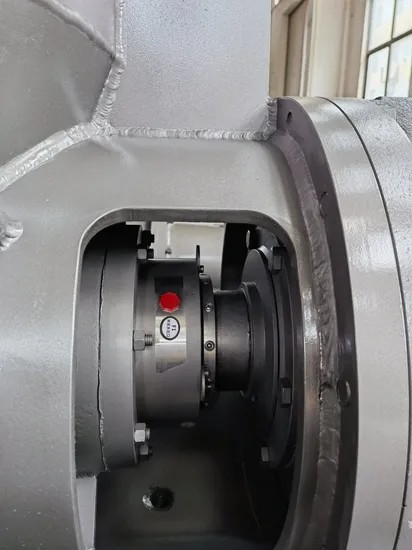
Enhanced oil recovery (EOR) techniques often involve the injection of chemicals such as polymers, surfactants, and alkalis into the reservoir. These chemicals help to reduce the viscosity of the oil, improve its flow properties, and increase the amount of oil that can be recovered from the reservoir. Chemical dosing axial flow pumps are used to accurately inject these chemicals into the wellbore at the required pressure and flow rate.
Corrosion prevention is also a critical issue in the oil and gas industry. Pumps are used to inject corrosion inhibitors into the pipelines and equipment to protect them from the corrosive effects of the oil, gas, and water. Bacteria control is necessary to prevent the formation of biofilms and the production of hydrogen sulfide, which can cause corrosion and other problems. Chemical dosing axial flow pumps are used to inject biocides into the system to control the growth of bacteria.
Environmental Remediation
Chemical dosing axial flow pumps are also used in environmental remediation projects. They are employed to inject chemicals into contaminated soil and groundwater to treat pollutants.
In soil remediation, pumps can be used to inject oxidants, reductants, or other chemicals to break down or immobilize contaminants such as heavy metals, petroleum hydrocarbons, and chlorinated solvents. The ability to precisely control the dosage and distribution of the chemicals is essential for the effectiveness of the remediation process.
In groundwater remediation, these pumps are used to inject treatment chemicals into the aquifer to remove contaminants. For example, in situ chemical oxidation (ISCO) involves the injection of oxidants like hydrogen peroxide or potassium permanganate to break down organic contaminants. Chemical dosing axial flow pumps are used to ensure that the oxidant is evenly distributed in the groundwater and that the correct dosage is applied.
Conclusion
Chemical dosing axial flow pumps are versatile and essential pieces of equipment in many industries. Their ability to accurately transfer and dose chemicals makes them invaluable in water treatment, industrial chemical processing, agriculture, oil and gas, and environmental remediation. As a supplier of these pumps, we understand the importance of providing high-quality, reliable, and efficient products to meet the diverse needs of our customers.
If you are in need of a chemical dosing axial flow pump for your specific application, we encourage you to contact us for a detailed discussion and to explore our product range. Our team of experts is ready to assist you in selecting the right pump for your requirements and to provide you with the best possible solutions.
References
- "Water Treatment Principles and Design" by David W. Hendricks and George Tchobanoglous
- "Industrial Chemical Processing: An Introduction" by Peter A. Schweitzer
- "Agricultural Irrigation and Drainage" by David A. Bucks and William O. Pruitt
- "Oil and Gas Production Handbook" by Norman Hyne
- "Environmental Remediation: Principles and Practice" by Robert C. Reible