

Hey there! As a supplier of high pressure pumps, I often get asked about the vibration level of these pumps. It's a crucial aspect that can significantly impact the performance, reliability, and lifespan of the pump. So, let's dive right in and explore what the vibration level of a high pressure pump is all about.
Understanding Vibration in High Pressure Pumps
First off, vibration in high pressure pumps is normal to some extent. When the pump is operating, there are moving parts like impellers, shafts, and motors that create mechanical forces. These forces cause the pump to vibrate. However, the key is to keep this vibration within an acceptable range.
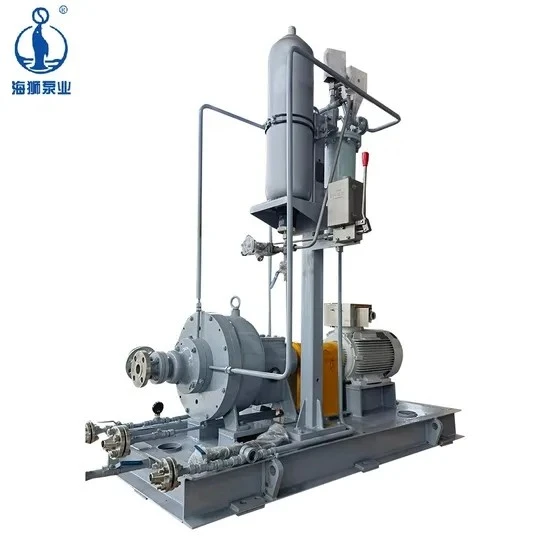

Excessive vibration can be a red flag. It might indicate problems such as misalignment of the pump and motor, unbalanced impellers, worn - out bearings, or cavitation. Cavitation, by the way, is when bubbles form and collapse in the liquid being pumped, which can cause intense shockwaves and damage to the pump components.
Measuring Vibration Levels
We measure the vibration level of high pressure pumps using special instruments. One common tool is a vibration analyzer. This device can measure the amplitude (how big the vibration is), frequency (how often the vibration occurs), and phase (the position of the vibration in relation to a reference point) of the vibrations.
The vibration level is usually expressed in terms of displacement (how far the pump moves during vibration), velocity (how fast the pump moves), or acceleration (how quickly the velocity of the vibration changes). For high pressure pumps, velocity is often the preferred parameter for measurement because it gives a good indication of the energy of the vibration.
Industry standards have been set to define what is an acceptable vibration level for high pressure pumps. For example, the International Organization for Standardization (ISO) has guidelines that specify the maximum allowable vibration levels based on the size and type of the pump. If the vibration level exceeds these standards, it's a sign that something is wrong and needs to be addressed.
Factors Affecting Vibration Levels
Several factors can influence the vibration level of a high pressure pump. Let's take a look at some of the main ones:
1. Pump Design and Construction
The way a high pressure pump is designed and built plays a big role. A well - designed pump with high - quality components is less likely to have excessive vibration. For instance, a pump with a precisely balanced impeller will run more smoothly. The materials used in the construction also matter. Pumps made from high - strength and durable materials can better withstand the forces generated during operation and reduce vibration.
2. Installation
Proper installation is crucial. If the pump is not installed correctly, it can lead to misalignment between the pump and the motor, which in turn causes high vibration levels. The pump should be mounted on a stable foundation to prevent it from moving during operation. Also, the piping connected to the pump should be properly supported to avoid any additional stress on the pump.
3. Operating Conditions
The conditions under which the pump operates can have a significant impact on vibration. For example, if the pump is running at a flow rate that is too far from its optimal design point, it can cause cavitation and increased vibration. Similarly, changes in the temperature, pressure, and viscosity of the fluid being pumped can also affect the vibration level.
Impact of High Vibration Levels
Excessive vibration in high pressure pumps can have several negative consequences.
1. Reduced Pump Life
High vibration levels can cause premature wear and tear of the pump components. The constant shaking can loosen bolts, damage bearings, and crack the pump casing. Over time, this can lead to pump failure, which means costly repairs or even the need to replace the entire pump.
2. Decreased Efficiency
When a pump vibrates too much, it has to work harder to achieve the same output. This results in increased energy consumption and reduced efficiency. In a large industrial setting, this can lead to significant financial losses over time.
3. Safety Risks
Excessive vibration can also pose safety risks. It can cause the pump to become unstable, increasing the likelihood of it tipping over or detaching from its mounting. This can lead to leaks of the pumped fluid, which may be hazardous depending on what is being pumped.
Controlling Vibration Levels
As a high pressure pump supplier, we take several steps to control and reduce vibration levels.
1. Quality Control During Manufacturing
We ensure that all our pumps are manufactured to the highest standards. This includes balancing the impellers to within very tight tolerances and using high - quality bearings and other components. Our manufacturing process also includes rigorous testing to make sure that the pumps meet the required vibration standards before they leave the factory.
2. Installation and Commissioning Services
We offer professional installation and commissioning services to our customers. Our technicians are trained to install the pumps correctly, ensuring proper alignment and mounting. They also perform a thorough check of the pump and the piping system to make sure everything is in order before starting the pump.
3. Maintenance and Monitoring
Regular maintenance is essential to keep the vibration levels in check. We recommend that our customers follow a maintenance schedule that includes tasks such as lubricating the bearings, checking the alignment, and inspecting the impellers for any signs of damage. We also offer vibration monitoring services, where we use advanced sensors to continuously monitor the vibration levels of the pumps and detect any potential problems early.
Our High Pressure Pump Range
At our company, we offer a wide range of high pressure pumps to meet different customer needs. For example, we have the High Pressure Chemical Process Pump, which is specifically designed for use in chemical processing applications. It is built to handle corrosive and abrasive fluids and has a low vibration level for reliable operation.
We also have the Vertical High Pressure Water Pump, which is ideal for water supply and irrigation systems. This pump is compact and efficient, with a design that minimizes vibration.
Another popular option is the High Pressure Chemical Fuel Pump, which is used in the fuel industry. It can handle high - pressure fuel transfer with low vibration, ensuring safe and efficient operation.
Conclusion
In conclusion, the vibration level of a high pressure pump is an important factor that can affect its performance, reliability, and lifespan. By understanding what causes vibration, how to measure it, and how to control it, we can ensure that our pumps operate smoothly and efficiently.
If you're in the market for a high pressure pump, or if you have any questions about vibration levels or our products, don't hesitate to reach out. We're here to help you find the right pump for your needs and ensure that it operates at its best.
References
- ISO 10816 - 3:2009, Mechanical vibration – Evaluation of machine vibration by measurements on non - rotating parts – Part 3: Industrial machines with nominal power above 15 kW and nominal speeds between 120 r/min and 15 000 r/min when measured in situ.
- Hydraulic Institute Standards for Centrifugal Pumps, which provide guidelines on pump design, installation, and operation.