

A high pressure pump is a crucial piece of equipment used in various industries for tasks that require the movement of fluids at elevated pressures. Understanding the power source of a high pressure pump is essential for users to make informed decisions when it comes to pump selection, operation, and maintenance. As a trusted high pressure pump supplier, we're here to shed light on the various power sources that drive these powerful machines.
Electric Motors
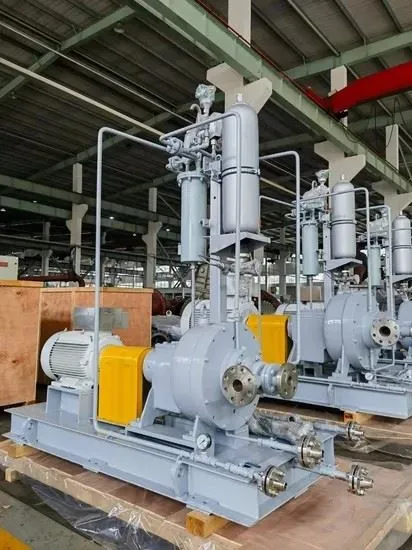
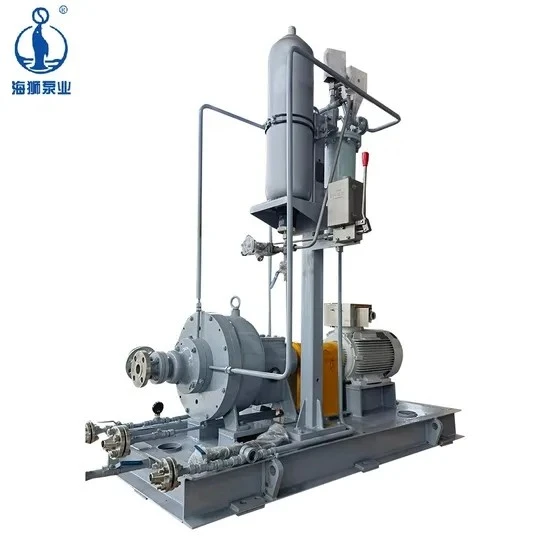
Electric motors are one of the most common power sources for high pressure pumps. They are versatile, efficient, and widely available. Electrically powered pumps are often favored in industrial settings where a reliable source of electricity is readily accessible.
One of the main advantages of electric motors is their precision control. With the use of variable frequency drives (VFDs), operators can easily adjust the speed and, consequently, the pressure and flow rate of the pump. This level of control is particularly beneficial in applications where precise fluid delivery is required, such as in pharmaceutical manufacturing or chemical processing.
Electric motors are also relatively quiet compared to other power sources, which can be a significant advantage in noise - sensitive environments. They have lower emissions and are generally more environmentally friendly, making them a popular choice for facilities aiming to reduce their carbon footprint.
However, electric pumps do rely on a stable electrical supply. In areas with unreliable power grids or in remote locations where electricity is not readily available, alternative power sources may be more suitable.
Internal Combustion Engines
Internal combustion engines, including gasoline and diesel engines, are another common power source for high pressure pumps. These engines are self - contained and do not require an external electrical supply, making them ideal for use in remote locations or in applications where portability is essential, such as in agricultural irrigation in rural areas or in construction sites.
Diesel engines, in particular, are known for their high torque output and fuel efficiency. They can provide a consistent source of power over extended periods, making them well - suited for heavy - duty applications. Gasoline engines, on the other hand, are generally lighter and more compact, which can be advantageous in applications where space is limited.
One of the drawbacks of internal combustion engines is their maintenance requirements. They need regular oil changes, filter replacements, and tune - ups to ensure optimal performance. Additionally, they produce emissions, which can be a concern in environmentally sensitive areas or in applications where low emissions are required.
Hydraulic Power
Hydraulic power can also be used to drive high pressure pumps. Hydraulic systems use pressurized fluid to transfer energy from a power source (usually an electric motor or an internal combustion engine) to the pump. Hydraulic pumps are known for their high power - to - weight ratio and are capable of delivering high pressures.
In a hydraulic system, the flow and pressure of the fluid can be easily controlled, allowing for precise operation of the high pressure pump. Hydraulic power is often used in applications where high forces and precise control are needed, such as in industrial machinery and oil and gas drilling operations.
However, hydraulic systems can be complex and require careful maintenance. Leakage of hydraulic fluid can be a problem, which not only creates a safety hazard but can also be environmentally damaging.
Pneumatic Power
Pneumatic power, which uses compressed air as a power source, is another option for high pressure pumps. Pneumatic pumps are simple in design, lightweight, and easy to maintain. They are often used in applications where explosion - proof operation is required, such as in chemical plants or in mines.
The operation of pneumatic pumps is relatively quiet, and they can be easily adjusted to meet different pressure and flow requirements. However, they require a reliable source of compressed air, and the energy efficiency of pneumatic systems can be lower compared to other power sources.
Selecting the Right Power Source
When choosing a high pressure pump, the selection of the appropriate power source is critical. Several factors need to be considered:
- Location and Access to Power: If the pump will be used in an area with a reliable electrical supply, an electric motor may be the best choice. For remote locations, an internal combustion engine or a self - contained hydraulic system might be more appropriate.
- Application Requirements: Different applications have different pressure, flow, and precision requirements. For example, applications that require high precision may benefit from an electric motor with VFD control, while heavy - duty applications may require the high torque of a diesel engine.
- Environmental Considerations: In areas where emissions are a concern, electric or pneumatic pumps may be more suitable. In contrast, if the application is in a harsh environment where water or dust is present, a well - protected internal combustion engine or a hydraulic pump could be a better option.
Our High Pressure Pump Offerings
As a leading high pressure pump supplier, we offer a wide range of pumps powered by different sources to meet the diverse needs of our customers. Our High Pressure Chemical Process Pump is available with electric and hydraulic power options, providing precise control and high - pressure performance for chemical processing industries.
For those in the automotive and chemical fuel sectors, our High Pressure Chemical Fuel Pump can be powered by electric motors or internal combustion engines, ensuring reliable fuel delivery under high - pressure conditions.
In the agricultural field, our High Pressure Spray Irrigation Pitot Pump is available with gasoline or electric power, offering flexibility for different farming environments.
Conclusion
The power source of a high pressure pump plays a vital role in its performance, efficiency, and suitability for different applications. Whether it's an electric motor for precision control, an internal combustion engine for portability, hydraulic power for high - force applications, or pneumatic power for explosion - proof operation, each power source has its own advantages and limitations.
If you are in the market for a high pressure pump, we encourage you to reach out to us. Our team of experts can help you select the right pump and power source combination based on your specific requirements. Contact us today to start a conversation about your high pressure pump needs and explore how we can provide the best solution for your business.
References
- "Pump Handbook" by Igor J. Karassik et al.
- "Fluid Mechanics and Hydraulic Machines" by R. K. Bansal.
- Industry reports on high pressure pump technology and applications.