

As a supplier of Horizontal Split Multistage Pumps, I've encountered numerous customers expressing concerns about low flow rates in these pumps. This issue can significantly impact the efficiency and productivity of various industrial processes. In this blog, I'll delve into the common causes of low flow rates in Horizontal Split Multistage Pumps and explore potential solutions.
1. Impeller Wear and Damage
The impeller is a crucial component of a multistage pump, responsible for imparting energy to the fluid and increasing its pressure. Over time, the impeller can experience wear and damage due to factors such as abrasion from suspended particles in the fluid, corrosion, or cavitation.
Abrasion occurs when the fluid contains solid particles that rub against the impeller surface, gradually wearing it down. This can lead to a reduction in the impeller's diameter and blade thickness, which in turn decreases its ability to generate the necessary centrifugal force to move the fluid. Corrosion, on the other hand, can weaken the impeller material, causing it to lose its structural integrity and performance. Cavitation, a phenomenon where vapor bubbles form and collapse in the fluid, can also cause pitting and erosion on the impeller surface, further reducing its efficiency.
To address impeller wear and damage, regular inspection and maintenance are essential. If the impeller shows signs of significant wear or damage, it should be replaced promptly. Additionally, using appropriate filtration systems to remove solid particles from the fluid can help prevent abrasion, while selecting corrosion-resistant materials for the impeller can mitigate the effects of corrosion.
2. Blockages in the Pump System
Blockages in the pump system can restrict the flow of fluid and cause a decrease in flow rate. These blockages can occur in various parts of the system, including the suction line, discharge line, impeller passages, and check valves.
In the suction line, blockages can be caused by debris such as leaves, twigs, or sediment that accumulate over time. A clogged suction strainer can also impede the flow of fluid into the pump. In the discharge line, blockages can result from the buildup of scale, rust, or other deposits on the inner walls of the pipe. Impeller passages can become blocked by foreign objects or the accumulation of solids, preventing the fluid from flowing freely through the pump. Check valves, which are designed to prevent backflow, can also malfunction and become stuck in the closed position, blocking the flow of fluid.
To prevent blockages, it's important to install appropriate filtration systems at the suction inlet to remove large debris. Regular cleaning and maintenance of the suction strainer and discharge lines can also help prevent the buildup of deposits. If a blockage is detected, it should be cleared immediately to restore normal flow.
3. Incorrect Pump Selection
Selecting the right pump for a specific application is crucial to ensure optimal performance. If the pump is undersized for the required flow rate and pressure, it will struggle to meet the demands of the system, resulting in a low flow rate. On the other hand, an oversized pump can lead to inefficiencies and increased energy consumption.
When selecting a Horizontal Split Multistage Pump, several factors need to be considered, including the required flow rate, pressure, fluid properties (such as viscosity and density), and the nature of the application. It's important to consult with a pump expert or use pump selection software to ensure that the pump is properly sized for the specific requirements of the system.
4. Leakage in the Pump System
Leakage in the pump system can cause a loss of fluid and a decrease in flow rate. Leakages can occur at various points in the system, including the pump casing, seals, gaskets, and connections.
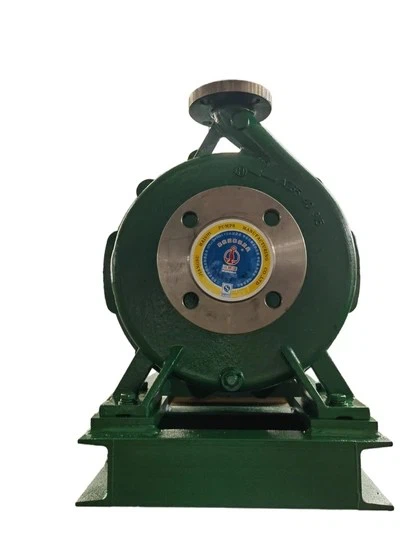

A damaged pump casing can allow fluid to leak out, reducing the overall flow rate. Worn or damaged seals and gaskets can also cause leakage, especially if they are not properly installed or maintained. Loose connections between pipes and fittings can also result in leaks, allowing fluid to escape from the system.
To detect and repair leakages, regular inspection of the pump system is necessary. Any signs of leakage, such as wet spots or drips, should be investigated immediately. Damaged seals and gaskets should be replaced, and loose connections should be tightened. In some cases, it may be necessary to repair or replace the pump casing if it is severely damaged.
5. Cavitation
Cavitation is a common problem in pumps that can cause a significant decrease in flow rate and damage to the pump components. Cavitation occurs when the pressure in the fluid drops below the vapor pressure, causing vapor bubbles to form. These bubbles then collapse when they reach a region of higher pressure, generating shock waves that can damage the impeller, casing, and other pump components.
Cavitation can be caused by several factors, including a high suction lift, a low fluid level in the suction tank, a clogged suction line, or an incorrect impeller design. To prevent cavitation, it's important to ensure that the pump is properly installed and operated within its recommended parameters. This includes maintaining a sufficient fluid level in the suction tank, avoiding a high suction lift, and ensuring that the suction line is free from blockages.
6. System Pressure and Resistance
The system pressure and resistance can also affect the flow rate of a Horizontal Split Multistage Pump. If the system pressure is too high or the resistance in the pipes and fittings is too great, the pump may struggle to overcome these obstacles and maintain the desired flow rate.
Factors that can increase system pressure and resistance include long pipe runs, small pipe diameters, multiple bends and fittings, and the presence of valves or other flow control devices. To reduce system pressure and resistance, it may be necessary to optimize the piping layout, increase the pipe diameter, or reduce the number of bends and fittings. Additionally, using low-resistance valves and flow control devices can help improve the flow rate.
Conclusion
A low flow rate in a Horizontal Split Multistage Pump can be caused by a variety of factors, including impeller wear and damage, blockages in the pump system, incorrect pump selection, leakage, cavitation, and system pressure and resistance. As a supplier, I understand the importance of addressing these issues promptly to ensure the optimal performance of the pump and the efficiency of the industrial processes it serves.
If you're experiencing low flow rates in your Horizontal Split Multistage Pump or need assistance in selecting the right pump for your application, please don't hesitate to [contact us for procurement and further discussion]. We offer a wide range of high-quality pumps, including Industrial Sewage Multistage Pump, Multistage Petrochemical Process Pump, and Multistage Chemical Pump, and our team of experts is ready to provide you with the best solutions.
References
- Pump Handbook, Karassik et al.
- Centrifugal Pumps: Design and Application, Stepanoff.
- Fluid Mechanics and Thermodynamics of Turbomachinery, Dixon.