

As a supplier of Mixed Flow Submersible Pumps, I understand the importance of comprehensive operation and maintenance manuals for our customers. These manuals serve as essential guides that ensure the efficient, safe, and long - term operation of the pumps. In this blog, I will delve into the key components of operation and maintenance manuals for Mixed Flow Submersible Pumps.
I. Introduction to Mixed Flow Submersible Pumps
Mixed Flow Submersible Pumps are a type of pump that combines the characteristics of axial - flow and centrifugal pumps. They are designed to operate while fully submerged in the fluid being pumped. These pumps are widely used in various applications, such as flood control, agricultural irrigation, industrial wastewater management, and mining dewatering.
One of the main advantages of mixed flow submersible pumps is their ability to handle large volumes of fluid with relatively high heads compared to axial - flow pumps. They are also more compact and less prone to cavitation compared to some other pump types, making them a popular choice in many industries.
II. Operation Manual
1. Pre - operation Checks
Before starting the mixed flow submersible pump, a series of pre - operation checks must be carried out. The manual should clearly list these checks to ensure the pump's proper functioning.
- Inspection of the Pump Unit: The operator should visually inspect the pump unit for any signs of physical damage, such as cracks in the casing, bent impellers, or loose connections. All bolts and fasteners should be tightened to the specified torque.
- Electrical System Check: For electrically powered pumps, the electrical system must be carefully examined. This includes checking the power supply voltage, ensuring proper grounding, and inspecting the wiring for any signs of wear or damage. The insulation resistance of the motor should also be measured to prevent electrical hazards.
- Fluid Condition: The manual should guide the operator to check the characteristics of the fluid to be pumped. This includes the temperature, viscosity, and presence of any solid particles. If the fluid contains abrasive particles, appropriate filtration systems may need to be installed to prevent damage to the pump.
2. Starting the Pump
The starting procedure is a critical part of the operation manual. It should provide step - by - step instructions on how to start the pump safely.
- Priming (if required): Some mixed flow submersible pumps may require priming to remove air from the suction line and pump casing. The manual should explain the priming process in detail, including the use of priming valves or other priming devices.
- Gradual Loading: To avoid sudden stress on the pump components, the pump should be started gradually. This may involve slowly opening the discharge valve while monitoring the pump's performance parameters, such as flow rate and pressure.
- Monitoring Initial Operation: After starting the pump, the operator should closely monitor the pump's operation for the first few minutes. The manual should specify the normal operating parameters, such as the expected flow rate, head, and motor current. Any abnormal noises, vibrations, or changes in these parameters should be noted and investigated immediately.
3. Normal Operation Monitoring
During normal operation, continuous monitoring of the pump is essential. The manual should provide guidelines on what parameters to monitor and how often.
- Performance Parameters: Regularly monitor the flow rate, head, and power consumption of the pump. These parameters can be measured using appropriate instruments, such as flow meters, pressure gauges, and wattmeters. Any significant deviations from the normal values may indicate a problem with the pump, such as a clogged impeller or a worn - out bearing.
- Temperature and Vibration: The temperature of the motor and the pump bearings should be monitored regularly. High temperatures can indicate overloading or poor lubrication. Vibration levels should also be checked, as excessive vibration can lead to premature wear and damage to the pump components.
4. Stopping the Pump
Just as important as starting the pump is stopping it properly. The operation manual should provide clear instructions on how to stop the pump safely.
- Gradual Unloading: Before stopping the pump, the discharge valve should be gradually closed to reduce the load on the pump. This helps to prevent water hammer, which can cause damage to the pump and the piping system.
- Shutting off the Power: After closing the discharge valve, the power supply to the pump should be shut off. For pumps with a control panel, the proper shutdown sequence should be followed to ensure the motor is safely de - energized.
3. Troubleshooting
The operation manual should include a comprehensive troubleshooting section. This section should list common problems that may occur during the operation of the mixed flow submersible pump, along with their possible causes and solutions.
- Low Flow Rate: Possible causes of low flow rate include a clogged impeller, a damaged suction line, or a worn - out pump seal. The manual should provide step - by - step instructions on how to diagnose and fix these problems.
- High Motor Temperature: High motor temperature can be caused by overloading, poor ventilation, or a malfunctioning cooling system. The manual should guide the operator on how to identify the root cause and take appropriate corrective actions.
III. Maintenance Manual
1. Routine Maintenance
Routine maintenance is crucial for the long - term performance and reliability of the mixed flow submersible pump. The maintenance manual should outline a regular maintenance schedule.

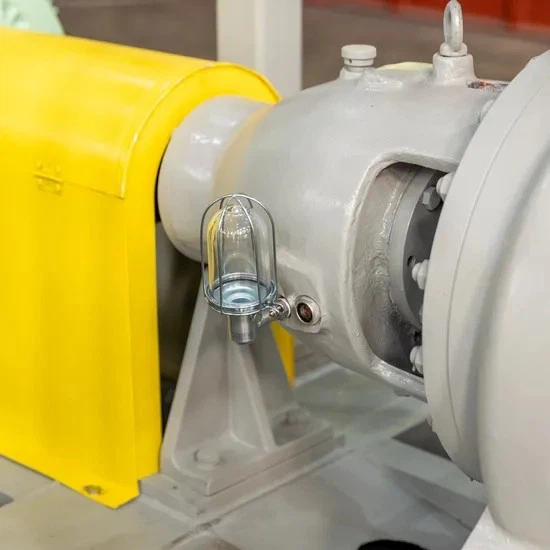
- Lubrication: The manual should specify the type of lubricant to be used for the pump's bearings and other moving parts. It should also provide instructions on how often to lubricate these parts and the correct lubrication procedure.
- Seal Replacement: Seals are critical components in preventing fluid leakage. The manual should indicate the recommended intervals for seal replacement based on the pump's operating conditions. It should also provide detailed instructions on how to replace the seals correctly.
- Filter Replacement: If the pump is equipped with a filtration system, the manual should specify when and how to replace the filters. This helps to ensure that the fluid being pumped is clean and free of contaminants.
2. Periodic Inspections
In addition to routine maintenance, periodic inspections are necessary to detect any potential problems before they become major issues.
- Internal Inspection: At regular intervals, the pump should be disassembled for internal inspection. The manual should provide detailed instructions on how to disassemble and reassemble the pump safely. During the internal inspection, the impeller, casing, and other components should be carefully examined for wear, corrosion, and damage.
- Performance Testing: Periodic performance testing of the pump should be carried out to ensure that it is operating at its optimal efficiency. This may involve measuring the flow rate, head, and power consumption under different operating conditions and comparing the results with the pump's design specifications.
3. Overhaul and Major Repairs
When the pump requires major repairs or an overhaul, the maintenance manual should provide detailed instructions. This includes how to remove and replace major components, such as the impeller, motor, or pump casing. It should also provide guidelines on how to reassemble the pump and perform the necessary tests after the repairs are completed.
IV. Safety Precautions
Both the operation and maintenance manuals should emphasize safety precautions to protect the operators and prevent damage to the pump.
- Personal Protective Equipment (PPE): The manual should clearly state the required PPE for operating and maintaining the pump. This may include safety glasses, gloves, and protective clothing.
- Lock - out/Tag - out Procedures: When performing maintenance or repairs on the pump, lock - out/tag - out procedures should be followed to prevent accidental startup. The manual should provide detailed instructions on how to implement these procedures correctly.
V. Related Product Links
We also offer a variety of related mixed flow submersible pumps, such as the Gravel Dewatering Oil Mixed Flow Pump, Vertical Mixed Flow Pump, and Diesel Submersible Dewatering Mixed Flow Pump. These products are designed to meet different application requirements.
VI. Conclusion
In conclusion, comprehensive operation and maintenance manuals are essential for the proper use and long - term performance of mixed flow submersible pumps. They provide the necessary guidance for operators to start, operate, and maintain the pumps safely and efficiently. As a supplier, we are committed to providing our customers with high - quality pumps and detailed manuals to ensure their satisfaction. If you are interested in our mixed flow submersible pumps or have any questions about their operation and maintenance, please feel free to contact us for further discussion and procurement.
References
- Pump Handbook, by Igor J. Karassik, Joseph P. Messina, Paul Cooper, Charles C. Heald
- Standards for Submersible Pumps, published by relevant industry associations