

Hey there! As a supplier of hydraulic axial flow pumps, I'm super excited to dive into the main applications of these amazing pieces of equipment. Hydraulic axial flow pumps are pretty versatile, and they play a crucial role in a bunch of different industries. Let's take a closer look at where they shine the most.
1. Water Supply and Drainage
One of the most common applications of hydraulic axial flow pumps is in water supply and drainage systems. In municipal water supply projects, these pumps are used to transfer large volumes of water from water sources like rivers, lakes, or wells to treatment plants and then distribute it to households and industries. They can handle a high flow rate at relatively low heads, making them perfect for moving water over long distances.
For example, in big cities, the demand for water is massive. Hydraulic axial flow pumps can efficiently pump water from water treatment facilities to different parts of the city, ensuring a stable water supply. On the other hand, in flood - prone areas, these pumps are essential for drainage. When heavy rains cause waterlogging, axial flow pumps can quickly remove the excess water from streets, basements, and low - lying areas, reducing the risk of property damage and protecting people's lives.
2. Irrigation
Agriculture is another sector that benefits greatly from hydraulic axial flow pumps. In large - scale irrigation projects, these pumps are used to lift water from water bodies such as canals, ponds, or groundwater sources and distribute it across farmlands. They can provide a continuous and reliable water supply to crops, which is crucial for high - yield farming.
Farmers can use these pumps to irrigate their fields in a timely manner, especially during dry seasons. The high - flow capacity of axial flow pumps allows them to cover large areas of farmland quickly. This not only saves time and labor but also helps in optimizing water usage, which is becoming increasingly important in the face of water scarcity.
3. Power Generation
In power plants, especially those that rely on water for cooling purposes, hydraulic axial flow pumps are key components. Thermal power plants, nuclear power plants, and some large - scale solar power plants use a significant amount of water for cooling the steam turbines. Axial flow pumps are used to circulate water through the cooling systems.
These pumps can move large volumes of water at a relatively low pressure, which is ideal for the cooling process. They ensure that the power plant's equipment operates at an optimal temperature, preventing overheating and ensuring the stable and efficient generation of electricity. Without these pumps, the power plant's operation could be severely affected, leading to power outages and other issues.
4. Marine Applications
The marine industry also makes extensive use of hydraulic axial flow pumps. On ships, these pumps are used for ballast water management. Ballast water is used to stabilize the ship, and axial flow pumps are used to pump water in and out of the ballast tanks as needed. This helps in adjusting the ship's draft and trim, ensuring safe navigation.
In addition, they are used for bilge pumping, which is the process of removing water that has collected in the lowest part of the ship's hull. This is important for maintaining the ship's structural integrity and preventing corrosion. Some marine vessels also use axial flow pumps for fire - fighting systems, providing a high - flow water supply in case of an emergency.
5. Industrial Processes
Many industrial processes require the transfer of large volumes of fluids. For instance, in the chemical industry, hydraulic axial flow pumps are used to transfer various chemicals and fluids within the production facilities. They can handle different types of fluids, including corrosive and abrasive substances, depending on the pump's material construction.
The Chemical Cantilever Type Axial Flow Pump is specifically designed for chemical applications. It can resist the corrosion of chemicals and ensure a smooth and efficient transfer process. In the mining industry, these pumps are used for dewatering mines, removing water from underground mines to keep the working environment safe and dry.
6. Aquaculture
In aquaculture, hydraulic axial flow pumps are used for water circulation and aeration in fish ponds and aquariums. They help in maintaining a good water quality by ensuring proper oxygenation and the removal of waste products. The continuous water flow created by the pumps also mimics the natural environment of the aquatic organisms, which is beneficial for their growth and health.
7. Specialized Applications
There are also some specialized applications for hydraulic axial flow pumps. The Vacuum Centrifugal Axial Flow Pump is used in applications where a combination of vacuum and high - flow pumping is required. This type of pump can be used in some scientific research facilities, pharmaceutical manufacturing, and food processing industries.

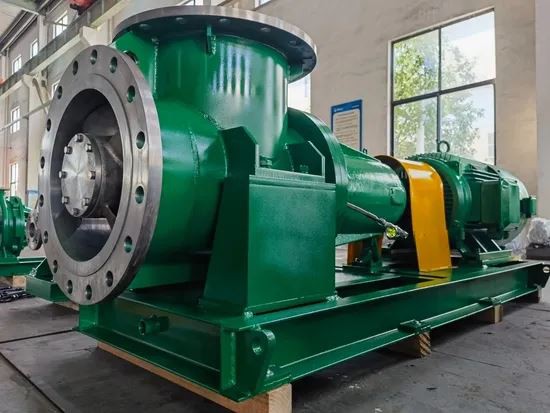
The Centrifugal Circulating Submersible Axial Flow Pump is designed for submersible applications. It can be used in deep - well pumping, wastewater treatment plants, and other situations where the pump needs to be submerged in the fluid.
As you can see, hydraulic axial flow pumps have a wide range of applications across various industries. Their high - flow capacity, efficiency, and reliability make them an indispensable part of many operations.
If you're in need of hydraulic axial flow pumps for your specific application, whether it's for water supply, irrigation, power generation, or any other use, don't hesitate to get in touch. We're here to provide you with high - quality pumps and excellent service. Our team of experts can help you select the right pump based on your requirements and ensure that it meets your needs perfectly. So, let's start a conversation about your pump needs and find the best solution together.
References
- "Pump Handbook" by Igor J. Karassik et al.
- "Hydraulic Machinery" textbooks from various engineering institutions.
- Industry reports on water management, power generation, and marine applications.