

Hey there! As a chemical pump supplier, I've seen firsthand how crucial it is to operate these pumps correctly. A chemical pump is a workhorse in many industries, handling all sorts of corrosive, abrasive, and high - temperature fluids. One wrong move, and you could end up with a damaged pump, costly downtime, or even a safety hazard. So, let's dive into how to operate a chemical pump correctly.
Pre - operation Checks
Before you even think about starting the pump, there are a few things you need to do. First off, check the pump's installation. Make sure it's properly aligned and securely mounted. A misaligned pump can cause excessive vibration, which not only wears out the pump components faster but can also lead to leaks.
Next, inspect the pump for any visible damage. Look for cracks in the casing, loose bolts, or signs of wear on the impeller. If you spot any issues, address them before proceeding. You don't want to start a pump that's already on the verge of breaking down.
Check the lubrication levels. Most chemical pumps have bearings that need to be lubricated to reduce friction and prevent overheating. Refer to the manufacturer's manual to determine the correct type and level of lubricant. Using the wrong lubricant can cause damage to the pump's internal components.
Also, verify the fluid connections. Ensure that the inlet and outlet pipes are properly connected and that there are no blockages. A blocked pipe can cause the pump to work harder than it should, leading to premature failure.
Priming the Pump
Priming is a critical step, especially for centrifugal chemical pumps. Priming involves filling the pump casing with the fluid to be pumped. This removes any air from the casing, allowing the pump to create the necessary suction to draw in the fluid.
To prime the pump, close the discharge valve and open the vent valve on the pump casing. Then, slowly fill the casing with the fluid until it starts to come out of the vent valve. Once the vent valve is full of fluid, close it. Now, you're ready to start the pump.
Starting the Pump
When starting the pump, follow these steps carefully. First, make sure all the valves are in the correct position. The discharge valve should be partially closed, and the inlet valve should be fully open. This helps to prevent a sudden surge of fluid that could damage the pump.
Turn on the power supply to the pump. Listen for any unusual noises or vibrations. If you hear anything out of the ordinary, stop the pump immediately and investigate the cause.
Gradually open the discharge valve while monitoring the pump's pressure and flow rate. You want to achieve the desired operating conditions without overloading the pump. Refer to the pump's performance curve to determine the optimal operating point.
Operating the Pump
During normal operation, keep an eye on the pump's performance. Monitor the pressure, flow rate, temperature, and vibration levels. Any significant changes in these parameters could indicate a problem with the pump.

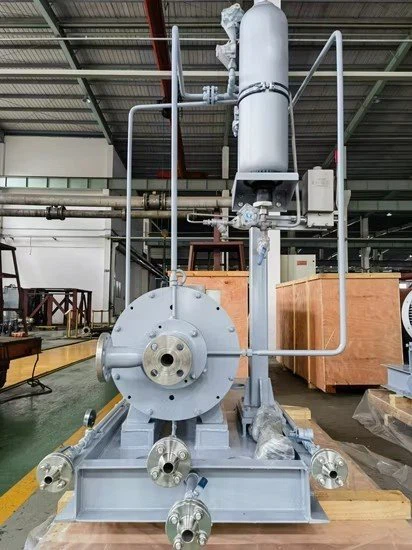
For example, if the pressure drops suddenly, it could mean there's a blockage in the system or a leak in the pump. If the temperature rises above the normal range, it could be a sign of insufficient lubrication or a mechanical issue.
Regularly check the seals for leaks. Leaking seals can not only cause fluid loss but also introduce air into the pump, reducing its efficiency. Replace any worn or damaged seals as soon as possible.
Stopping the Pump
When it's time to stop the pump, follow a proper shutdown procedure. First, gradually close the discharge valve to reduce the flow rate. This helps to prevent water hammer, which is a sudden pressure surge that can damage the pump and the piping system.
Once the discharge valve is fully closed, turn off the power supply to the pump. Open the vent valve on the pump casing to release any pressure.
If you're going to be shutting down the pump for an extended period, drain the pump and the piping system to prevent freezing or corrosion.
Maintenance and Troubleshooting
Regular maintenance is key to keeping your chemical pump operating correctly. Follow the manufacturer's recommended maintenance schedule, which typically includes tasks such as changing the lubricant, inspecting the impeller, and tightening the bolts.
If you encounter any problems with the pump, don't panic. Start by referring to the troubleshooting guide in the manufacturer's manual. Common problems include low flow rate, high vibration, and leaks. By following the step - by - step instructions in the guide, you can often identify and fix the issue yourself.
Recommended Chemical Pumps
As a chemical pump supplier, I'd like to recommend some of our high - quality products. Check out our Pumps Verticaljoint Surface Haishi Vertical Pump For Industry And Mining. It's designed for heavy - duty industrial applications and offers excellent performance and reliability.
Another great option is the Single Suction Hydrocarbon Liquid Transportation Slurry Sewage Chemical Sand Pitot Pump Factory. This pump is ideal for handling abrasive and viscous fluids.
And if you need a high - pressure chemical process pump, our Single - Stage Condensate Haishi High Pressure Sewage Chemical Process Pump With Good Service is a top choice. It provides efficient and reliable operation even under demanding conditions.
Contact for Purchase and Negotiation
If you're interested in any of our chemical pumps or have any questions about operating them correctly, feel free to reach out to us. We're always happy to help you find the right pump for your needs and provide you with all the support you need for proper operation.
References
- Chemical Pump Operation Manuals from Various Manufacturers
- Industry Standards for Chemical Pump Operation and Maintenance