

Hey there! As a supplier of high pressure pumps, I often get asked about how to increase the pressure of these pumps. It's a crucial question, especially for those who rely on high pressure pumps in various industries, from chemical processing to agricultural irrigation. In this blog, I'll share some practical tips and insights on how you can boost the pressure of your high pressure pump.
Understanding the Basics of High Pressure Pumps
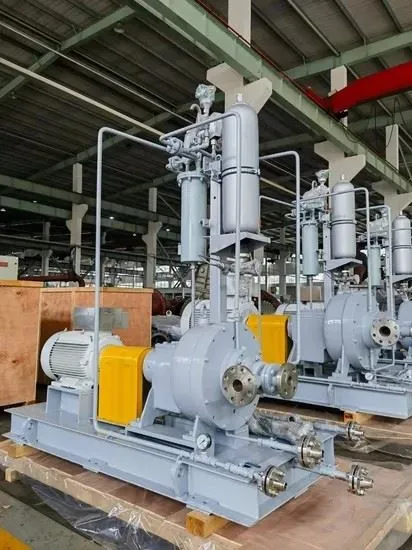
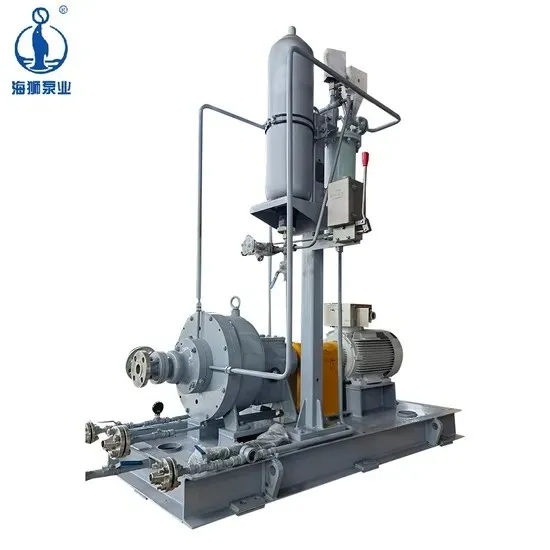
Before we dive into the methods of increasing pressure, let's quickly go over what a high pressure pump is and how it works. A high pressure pump is designed to deliver a fluid at a high pressure, which is useful for a wide range of applications. For example, the High Pressure Chemical Fuel Pump is used in chemical plants to transfer fuels and other chemicals under high pressure, while the High Pressure Spray Irrigation Pitot Pump is used in agriculture for efficient irrigation.
Most high pressure pumps work by using mechanical energy to increase the pressure of the fluid. This can be done through different mechanisms, such as reciprocating pistons, rotating impellers, or diaphragm movement. The key to increasing the pressure lies in understanding how these mechanisms work and how you can optimize them.
Methods to Increase the Pressure of a High Pressure Pump
1. Adjust the Pump Speed
One of the simplest ways to increase the pressure of a high pressure pump is to adjust its speed. In many pumps, the pressure is directly proportional to the speed of the pump. By increasing the rotational speed of the impeller or the reciprocating motion of the piston, you can generate more pressure.
However, it's important to note that increasing the speed too much can lead to problems. It can cause excessive wear and tear on the pump components, increase the risk of mechanical failure, and even reduce the efficiency of the pump. So, before you adjust the speed, make sure to check the pump's specifications and consult the manufacturer's guidelines.
2. Optimize the Pump Design
Another effective way to increase the pressure is to optimize the design of the pump. This can involve making changes to the impeller, the casing, or the flow path. For example, a well-designed impeller with a larger diameter or a more efficient blade shape can generate more pressure.
Some pumps also have adjustable features that allow you to fine-tune the design for different applications. For instance, you can adjust the clearance between the impeller and the casing to optimize the flow and increase the pressure. Again, it's important to follow the manufacturer's instructions when making these adjustments.
3. Upgrade the Pump Motor
If your pump is powered by an electric motor, upgrading the motor can be a great way to increase the pressure. A more powerful motor can provide more torque, which allows the pump to operate at a higher speed and generate more pressure.
When choosing a new motor, make sure to consider the power requirements of the pump and the electrical system. You also need to ensure that the motor is compatible with the pump's control system.
4. Check and Maintain the Pump Regularly
Regular maintenance is essential for ensuring the optimal performance of your high pressure pump. Over time, pumps can accumulate dirt, debris, and wear and tear, which can reduce their efficiency and pressure output.
Make sure to clean the pump regularly, replace worn-out parts, and lubricate the moving components. You should also check the seals and gaskets for leaks, as leaks can cause a loss of pressure. By keeping your pump in good condition, you can ensure that it operates at its maximum pressure capacity.
5. Use a Booster Pump
In some cases, using a booster pump can be a practical solution to increase the pressure. A booster pump is a secondary pump that is installed in series with the main pump. It takes the output from the main pump and further increases the pressure.
Booster pumps are particularly useful when you need to achieve a very high pressure or when the main pump is not capable of generating the required pressure on its own. However, they do add complexity and cost to the system, so you need to carefully consider whether a booster pump is the right solution for your application.
Considerations When Increasing the Pressure
While increasing the pressure of a high pressure pump can be beneficial, there are some important considerations to keep in mind.
1. Safety
Safety should always be your top priority when working with high pressure pumps. High pressure fluids can be dangerous, and any malfunction or failure of the pump can lead to serious accidents. Make sure to follow all safety procedures, wear appropriate protective equipment, and install safety devices such as pressure relief valves.
2. Compatibility
When making changes to the pump, such as upgrading the motor or using a booster pump, make sure that all the components are compatible with each other. Incompatible components can cause problems such as vibration, noise, and reduced efficiency.
3. Energy Consumption
Increasing the pressure of the pump usually requires more energy. This means that your energy consumption will increase, which can lead to higher operating costs. Make sure to consider the energy efficiency of the pump and look for ways to minimize energy consumption while still achieving the desired pressure.
Conclusion
Increasing the pressure of a high pressure pump can be a challenging but rewarding task. By understanding the basics of how high pressure pumps work and following the methods and considerations outlined in this blog, you can optimize the performance of your pump and achieve the desired pressure.
If you're looking for high quality high pressure pumps or need more advice on increasing the pressure of your pump, don't hesitate to get in touch with us. We're a leading supplier of high pressure pumps, including the High Pressure Chemical Fuel Pump, High Pressure Spray Irrigation Pitot Pump, and High Pressure Water Pump Diesel. Our team of experts is always ready to help you find the right solution for your needs.
References
- Pump Handbook, Karassik et al.
- High Pressure Pump Technology, Industry Reports