

In the realm of industrial fluid handling, horizontal split multistage pumps play a pivotal role. These pumps are widely used in various industries such as water supply, chemical processing, and power generation due to their ability to provide high-pressure output. However, there are often situations where users need to increase the flow rate of these pumps to meet specific operational requirements. As a trusted supplier of Horizontal Split Multistage Pump, we have in - depth knowledge and experience in this area. In this blog, we will explore several effective ways to increase the flow rate of a horizontal split multistage pump.
1. Optimize the Pump Impeller Design
The impeller is the heart of a centrifugal pump, including horizontal split multistage pumps. By modifying the impeller design, we can significantly impact the flow rate. One approach is to increase the impeller diameter. A larger impeller can generate more centrifugal force, which in turn can push more fluid through the pump. However, this modification needs to be carefully evaluated as increasing the impeller diameter also increases the power consumption of the pump and may require a more powerful motor.
Another aspect of impeller design optimization is the blade shape. The shape of the impeller blades affects the way the fluid is accelerated and directed within the pump. For example, backward - curved blades are commonly used in centrifugal pumps as they provide a relatively stable flow rate and high efficiency over a wide range of operating conditions. By fine - tuning the blade angle and curvature, we can improve the fluid flow path and increase the flow rate.
2. Adjust the Pump Speed
The flow rate of a centrifugal pump is directly proportional to its speed according to the affinity laws. The affinity laws state that the flow rate (Q) is proportional to the speed (N), the head (H) is proportional to the square of the speed, and the power (P) is proportional to the cube of the speed. Therefore, increasing the pump speed can effectively increase the flow rate.
This can be achieved by using a variable - frequency drive (VFD). A VFD allows the user to adjust the motor speed of the pump, which in turn changes the pump speed. By increasing the speed within the safe operating range of the pump, we can increase the flow rate. However, it is important to note that increasing the speed also increases the power consumption and may cause additional wear and tear on the pump components. Therefore, proper monitoring and maintenance are required when using a VFD to adjust the pump speed.
3. Improve the Inlet and Outlet Piping System
The piping system connected to the pump can have a significant impact on the pump's flow rate. A poorly designed or installed piping system can cause excessive pressure losses, which reduce the pump's efficiency and flow rate.
On the inlet side, ensuring a smooth and unobstructed flow path is crucial. The inlet pipe should be of an appropriate diameter to minimize friction losses. A too - small inlet pipe can cause cavitation, which is the formation and collapse of vapor bubbles in the fluid due to low pressure. Cavitation can damage the pump impeller and reduce the flow rate. Additionally, the inlet pipe should be free of any debris or blockages.

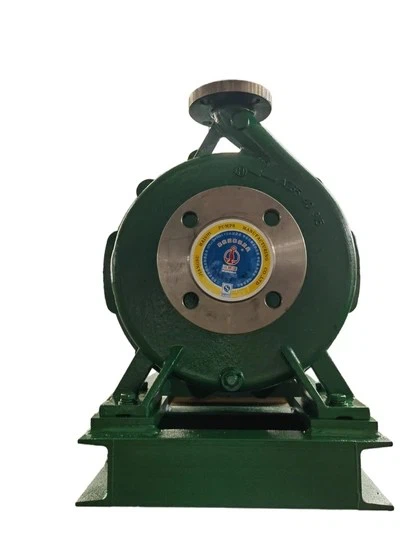
On the outlet side, the piping should be designed to minimize bends, elbows, and valves. Each of these components adds resistance to the fluid flow, which reduces the flow rate. Using larger - diameter outlet pipes can also help to reduce pressure losses and increase the flow rate.
4. Check and Maintain the Pump Seals and Bearings
The pump seals and bearings are critical components that can affect the pump's performance. Worn - out or damaged seals can cause leakage, which reduces the effective flow rate of the pump. Regularly checking and replacing the seals can prevent leakage and ensure that the pump operates at its optimal flow rate.
Similarly, the bearings support the rotating parts of the pump. If the bearings are worn or damaged, they can cause increased friction, which reduces the pump's efficiency and flow rate. Proper lubrication and regular maintenance of the bearings are essential to ensure smooth operation and maximum flow rate.
5. Consider the Fluid Properties
The properties of the fluid being pumped, such as viscosity, density, and temperature, can also affect the pump's flow rate. For example, a more viscous fluid requires more energy to pump, which can reduce the flow rate. If the fluid viscosity is too high, it may be necessary to heat the fluid to reduce its viscosity or select a pump that is specifically designed for high - viscosity fluids.
The density of the fluid also affects the pump's performance. A denser fluid requires more power to pump, and the pump may need to be sized accordingly. Additionally, changes in fluid temperature can cause changes in viscosity and density, which in turn affect the flow rate. Therefore, it is important to consider the fluid properties when operating the pump and make appropriate adjustments if necessary.
6. Upgrade the Pump Stages
Horizontal split multistage pumps consist of multiple impellers arranged in series. Each stage of the pump adds pressure to the fluid. By adding more stages to the pump, we can increase the overall pressure and potentially increase the flow rate. However, upgrading the pump stages is a more complex and costly solution compared to other methods. It may also require modifications to the pump housing, motor, and piping system. Therefore, this option should be carefully evaluated based on the specific requirements and budget of the application.
As a leading supplier of Horizontal Split Multistage Pump, we understand the importance of achieving the desired flow rate for your industrial applications. Our team of experts can provide you with professional advice on how to increase the flow rate of your pump based on your specific needs. We also offer a wide range of high - quality pumps, including Multistage Chemical Pump and Multistage Submersible Centrifugal Pump, to meet different industrial requirements.
If you are looking to optimize the flow rate of your horizontal split multistage pump or need to purchase a new pump, please feel free to contact us. Our sales team will be happy to assist you in selecting the right pump and providing comprehensive solutions for your fluid - handling needs.
References
- Karassik, I. J., Messina, J. P., Cooper, P. T., & Heald, C. C. (2008). Pump handbook (4th ed.). McGraw - Hill.
- Stepanoff, A. J. (1957). Centrifugal and axial flow pumps: theory, design, and application. Wiley.