

Controlling the speed of a multistage pump is a crucial aspect of optimizing its performance and ensuring efficient operation across various industrial applications. As a leading multistage pump supplier, we understand the importance of providing our customers with the knowledge and solutions to effectively manage pump speed. In this blog post, we will explore the different methods and considerations for controlling the speed of a multistage pump.
Understanding the Basics of Multistage Pumps
Before delving into speed control methods, it's essential to have a basic understanding of how multistage pumps work. A multistage pump consists of multiple impellers mounted on a single shaft, which are housed within a series of chambers. As the fluid enters the pump, it passes through each impeller in sequence, with each stage adding energy to the fluid and increasing its pressure. This design allows multistage pumps to generate high pressures, making them suitable for applications such as water supply, industrial processes, and oil and gas production.
Importance of Speed Control
Controlling the speed of a multistage pump offers several benefits, including:
- Energy Efficiency: By adjusting the pump speed to match the actual demand, you can reduce energy consumption and lower operating costs. This is particularly important in applications where the flow rate or pressure requirements vary over time.
- Process Optimization: Precise speed control allows you to maintain a consistent flow rate and pressure, ensuring optimal performance of the entire system. This is crucial in applications such as chemical processing, where even small variations in flow can have a significant impact on product quality.
- Equipment Protection: Running a pump at the correct speed helps prevent overloading and premature wear and tear, extending the lifespan of the pump and reducing maintenance requirements.
Methods of Speed Control
There are several methods available for controlling the speed of a multistage pump, each with its own advantages and limitations. The most common methods include:
Variable Frequency Drives (VFDs)
Variable frequency drives are one of the most popular and effective methods of controlling pump speed. A VFD is an electronic device that adjusts the frequency and voltage of the electrical power supplied to the pump motor, allowing you to vary the motor speed. By changing the frequency, you can directly control the speed of the pump, which in turn affects the flow rate and pressure.
The main advantages of using VFDs include:
- Energy Savings: VFDs can significantly reduce energy consumption by adjusting the pump speed to match the actual demand. This can result in substantial cost savings over the long term.
- Precise Control: VFDs offer precise speed control, allowing you to maintain a constant flow rate and pressure even under varying operating conditions.
- Soft Starting and Stopping: VFDs provide a smooth start and stop function, reducing mechanical stress on the pump and motor and extending their lifespan.
However, VFDs also have some limitations, including:
- Initial Cost: VFDs can be relatively expensive to purchase and install, especially for larger pumps.
- Harmonics: VFDs can generate electrical harmonics, which can cause interference with other electrical equipment and affect the power quality of the system.
- Maintenance Requirements: VFDs require regular maintenance and monitoring to ensure proper operation.
Belt Drives
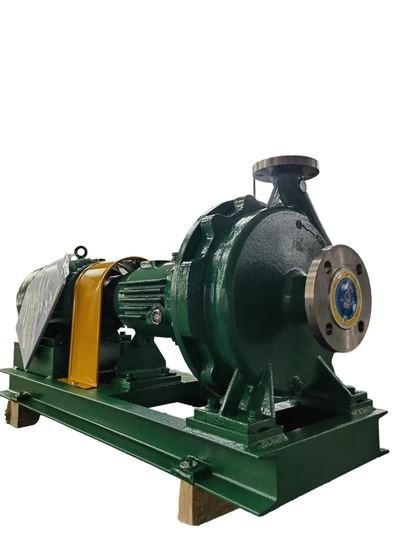
Belt drives are a simple and cost-effective method of controlling pump speed. A belt drive consists of a belt that connects the pump motor to the pump shaft, allowing you to change the speed ratio between the motor and the pump. By using different-sized pulleys, you can adjust the pump speed to match the desired flow rate and pressure.
The main advantages of using belt drives include:

- Low Cost: Belt drives are relatively inexpensive to purchase and install, making them a popular choice for small to medium-sized pumps.
- Simple Installation: Belt drives are easy to install and can be easily adjusted or replaced if necessary.
- Mechanical Isolation: Belt drives provide a degree of mechanical isolation between the motor and the pump, reducing the transmission of vibrations and noise.
However, belt drives also have some limitations, including:
- Limited Speed Range: Belt drives have a limited speed range, which may not be suitable for applications that require a wide range of flow rates or pressures.
- Belt Wear: Belts can wear out over time, requiring regular replacement to maintain proper operation.
- Efficiency Loss: Belt drives can experience some efficiency loss due to friction, which can result in higher energy consumption.
Gear Drives
Gear drives are another method of controlling pump speed. A gear drive consists of a set of gears that connect the pump motor to the pump shaft, allowing you to change the speed ratio between the motor and the pump. By using different-sized gears, you can adjust the pump speed to match the desired flow rate and pressure.
The main advantages of using gear drives include:
- High Efficiency: Gear drives are highly efficient, with minimal energy loss due to friction. This can result in lower energy consumption and operating costs.
- Precise Control: Gear drives offer precise speed control, allowing you to maintain a constant flow rate and pressure even under varying operating conditions.
- Durability: Gear drives are designed to withstand high loads and harsh operating conditions, making them suitable for heavy-duty applications.
However, gear drives also have some limitations, including:
- High Cost: Gear drives can be relatively expensive to purchase and install, especially for larger pumps.
- Complex Installation: Gear drives require precise alignment and installation, which can be time-consuming and costly.
- Maintenance Requirements: Gear drives require regular maintenance and lubrication to ensure proper operation.
Considerations for Speed Control
When choosing a method of speed control for your multistage pump, there are several factors to consider, including:
- Application Requirements: The specific requirements of your application, such as the flow rate, pressure, and operating conditions, will determine the most suitable method of speed control.
- Pump Size and Type: The size and type of the pump will also affect the choice of speed control method. Larger pumps may require more powerful and sophisticated speed control systems, while smaller pumps may be more suitable for simpler and less expensive methods.
- Cost: The initial cost of the speed control system, as well as the ongoing operating and maintenance costs, should be considered when making a decision.
- Energy Efficiency: Energy efficiency is an important consideration, especially in applications where the pump operates for long periods of time. Choosing a speed control method that can reduce energy consumption can result in significant cost savings over the long term.
- System Compatibility: The speed control system should be compatible with the existing pump and motor, as well as the overall system design. This includes considerations such as electrical compatibility, mechanical compatibility, and control interface compatibility.
Conclusion
Controlling the speed of a multistage pump is essential for optimizing its performance, reducing energy consumption, and extending its lifespan. There are several methods available for controlling pump speed, each with its own advantages and limitations. When choosing a method of speed control, it's important to consider the specific requirements of your application, the size and type of the pump, the cost, the energy efficiency, and the system compatibility.
As a leading multistage pump supplier, we offer a wide range of pumps and speed control solutions to meet the needs of various industries. Our pumps are designed to provide reliable and efficient performance, and our speed control systems are engineered to offer precise control and energy savings. Whether you need an Industrial Sewage Multistage Pump, a Multistage Chemical Pump, or a Multistage Petrochemical Process Pump, we have the expertise and experience to provide you with the right solution.
If you have any questions or need further information about our multistage pumps or speed control solutions, please don't hesitate to contact us. Our team of experts will be happy to assist you in selecting the best pump and speed control system for your application and provide you with a competitive quote. Let's work together to optimize your pumping system and achieve your business goals.
References
- Karassik, I. J., Messina, J. P., Cooper, P. T., & Heald, C. C. (2008). Pump Handbook. McGraw-Hill Professional.
- Stepanoff, A. J. (1957). Centrifugal and Axial Flow Pumps: Theory, Design, and Application. John Wiley & Sons.
- ANSI/HI 9.6.3-2017, Rotodynamic Pumps – Guideline for NPSH Margin. Hydraulic Institute.