

In the food and beverage industry, the cleanliness and sterility of equipment are of utmost importance to ensure product safety and quality. A mixed flow pump is a crucial component in many food and beverage processing operations, and proper cleaning and sterilization are essential to prevent contamination and maintain optimal performance. As a trusted mixed flow pump supplier, I understand the significance of these processes and am here to share some valuable insights on how to effectively clean and sterilize a mixed flow pump used in the food and beverage industry.
Understanding the Importance of Cleaning and Sterilization
Before delving into the cleaning and sterilization procedures, it's essential to understand why these processes are so critical. In the food and beverage industry, any form of contamination can lead to serious health risks for consumers, as well as damage to the brand's reputation. Bacteria, fungi, and other microorganisms can thrive in the pump's internal components, especially if there are residual food particles or moisture. These contaminants can then be transferred to the product being pumped, compromising its safety and quality.
Cleaning and sterilization not only remove visible dirt and debris but also eliminate harmful microorganisms, ensuring that the pump operates in a hygienic environment. Regular cleaning and sterilization also help to extend the pump's lifespan by preventing corrosion and wear caused by the buildup of contaminants.
Pre - cleaning Preparation
- Shut Down the Pump: Before starting the cleaning process, it is crucial to shut down the pump and disconnect it from the power source to prevent any accidental startup. This ensures the safety of the cleaning personnel.
- Drain the Pump: Open all the drain valves to completely drain the remaining liquid in the pump. This step is essential to remove any residual product that could harden or become a breeding ground for bacteria during the cleaning process.
- Disassemble the Pump (if necessary): Depending on the design of the mixed flow pump and the level of contamination, it may be necessary to disassemble certain parts for a more thorough cleaning. However, this should be done with caution, following the manufacturer's instructions. Keep track of all the parts and their positions to ensure proper reassembly later.
Cleaning the Pump
- Rinse with Water: Use clean, potable water to rinse the pump thoroughly. This initial rinse helps to remove loose debris and large particles. Make sure to direct the water flow through all the passages and chambers of the pump to ensure comprehensive cleaning.
- Use a Cleaning Solution: Select a suitable cleaning solution that is approved for use in the food and beverage industry. The cleaning solution should be able to break down grease, oil, and organic matter. Dilute the cleaning solution according to the manufacturer's instructions and fill the pump with the solution. Let it soak for a specified period, usually 15 - 30 minutes, to allow the solution to penetrate and dissolve the contaminants.
- Mechanical Cleaning: Use soft - bristle brushes or sponges to scrub the internal surfaces of the pump. Pay special attention to areas where dirt and debris are likely to accumulate, such as impellers, volutes, and seals. Avoid using abrasive materials that could scratch the pump's surfaces, as these scratches can harbor bacteria and cause damage over time.
- Flush with Water: After soaking and scrubbing, flush the pump thoroughly with clean water to remove the cleaning solution and any remaining contaminants. Ensure that all traces of the cleaning solution are removed, as residual cleaning agents can contaminate the food or beverage product.
Sterilization of the Pump
- Select a Sterilization Method: There are several methods available for sterilizing a mixed flow pump in the food and beverage industry. Common methods include chemical sterilization, heat sterilization, and steam sterilization.
- Chemical Sterilization: Use a chemical sterilant that is approved for food - contact surfaces. Examples of chemical sterilants include chlorine - based compounds, hydrogen peroxide, and peracetic acid. Dilute the sterilant according to the manufacturer's instructions and fill the pump with the solution. Let it stand for the recommended contact time, usually 10 - 30 minutes, to ensure effective sterilization.
- Heat Sterilization: Heat can be an effective way to kill microorganisms. For some pumps, heating the pump to a specific temperature (usually between 80 - 121°C) for a certain period can achieve sterilization. However, this method requires careful control of temperature and time to avoid damaging the pump's components.
- Steam Sterilization: Steam sterilization is a widely used method in the food and beverage industry. It involves exposing the pump to high - pressure steam at a temperature of around 121°C for a specified time, typically 15 - 30 minutes. Steam can penetrate all the nooks and crannies of the pump, effectively killing bacteria, fungi, and spores.
- Rinse Again: After sterilization, rinse the pump with sterile water to remove any residual sterilant. This step is crucial to prevent the transfer of the sterilant to the food or beverage product.
Reassembly and Post - cleaning Checks
- Reassemble the Pump: If the pump was disassembled, carefully reassemble all the parts in the correct order, following the manufacturer's instructions. Make sure all the seals are properly installed to prevent leaks.
- Perform a Leak Test: Once the pump is reassembled, perform a leak test by filling the pump with water and checking for any signs of leakage. This ensures that the pump is properly sealed and ready for operation.
- Function Test: Start the pump and run it for a short period to check its functionality. Monitor the pump's performance, including flow rate, pressure, and noise level. Any abnormal performance may indicate a problem with the cleaning or reassembly process.
Recommended Products for Cleaning and Sterilization
As a mixed flow pump supplier, we recommend using high - quality cleaning and sterilization products that are specifically designed for the food and beverage industry. Some of our recommended products include [list some well - known and approved cleaning and sterilization products]. These products are formulated to be effective against a wide range of contaminants while being safe for use in food - contact applications.
Our Mixed Flow Pump Offerings
We are a leading supplier of mixed flow pumps, offering a wide range of products suitable for the food and beverage industry. Our pumps are designed with high - quality materials and advanced technology to ensure reliable performance and easy cleaning. Here are some of our popular mixed flow pump models:

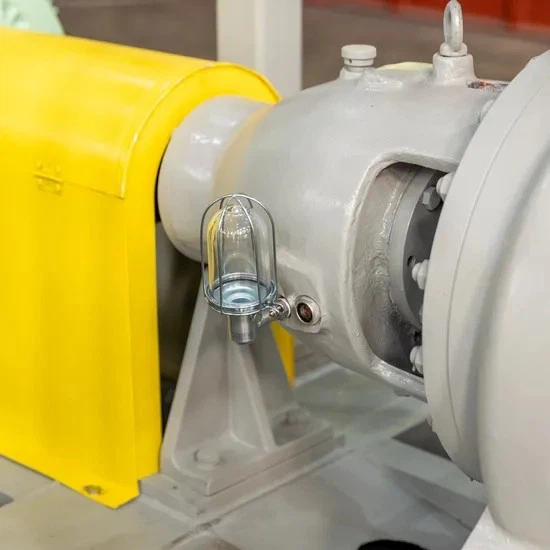
- Oil Mud Vertical Slurry Mixed Flow Pump: This pump is ideal for handling oil - mud and slurry mixtures, with excellent wear resistance and high efficiency.
- Vertical Mixed Flow Pump: Our vertical mixed flow pump is designed for applications where space is limited. It offers a compact design and reliable performance.
- Gravel Dewatering Oil Mixed Flow Pump: This pump is specifically designed for gravel dewatering and oil - handling applications, with a robust construction and high - flow capacity.
Contact Us for Purchase and Consultation
If you are in the food and beverage industry and are looking for a high - quality mixed flow pump or need further advice on cleaning and sterilization, we are here to help. Our team of experts can provide you with detailed product information, technical support, and customized solutions to meet your specific needs. Contact us today to start a discussion about your requirements and explore how our mixed flow pumps can enhance your operations.
References
- "Food Industry Cleaning and Sanitation Handbook" by [Author's Name], Publisher: [Publisher's Name], Year: [Year of Publication]
- "Pump Handbook" by [Author's Name], Publisher: [Publisher's Name], Year: [Year of Publication]
- Industry standards and guidelines from [Relevant Industry Association], such as [Specific Standard Name]