

As a seasoned supplier of Multistage Pressure Pumps, I understand the critical importance of regularly checking the balance of these pumps to ensure their optimal performance and longevity. In this blog post, I will share some practical methods and key considerations on how to check the balance of a multistage pressure pump.
Why Balance Checking is Crucial
Before diving into the checking methods, it's essential to understand why balance checking is so important. A well - balanced multistage pressure pump operates more smoothly, reducing vibrations and noise. Excessive vibrations can lead to premature wear and tear of pump components, such as bearings, seals, and impellers. This not only shortens the pump's lifespan but also increases the risk of unexpected breakdowns, which can result in costly downtime for industrial operations. Additionally, a balanced pump is more energy - efficient, as it requires less power to operate, leading to significant cost savings over time.
Visual Inspection
The first step in checking the balance of a multistage pressure pump is a visual inspection. Start by examining the pump's exterior for any signs of physical damage, such as cracks, dents, or misalignments. Check the mounting bolts to ensure they are tight and that the pump is securely fastened to its base. Loose mounting can cause vibrations and affect the pump's balance.
Inspect the impellers as well. The impellers are the heart of the multistage pressure pump, and any damage or imbalance in them can have a significant impact on the pump's performance. Look for signs of erosion, corrosion, or foreign objects stuck in the impeller blades. If you notice any damage, it may be necessary to replace the impeller to restore the pump's balance.
Vibration Analysis
Vibration analysis is a powerful tool for detecting balance issues in a multistage pressure pump. There are several methods of vibration analysis, but one of the most common is using a vibration meter. A vibration meter measures the amplitude and frequency of vibrations in the pump.
To perform vibration analysis, place the vibration meter on different parts of the pump, such as the bearing housing, motor casing, and pump body. Take multiple readings at various points to get a comprehensive understanding of the pump's vibration characteristics. Compare the readings with the manufacturer's recommended vibration limits. If the vibration levels exceed the limits, it indicates a potential balance problem.
Another aspect of vibration analysis is frequency analysis. By analyzing the frequency spectrum of the vibrations, you can identify the source of the imbalance. For example, a high - frequency vibration may indicate a problem with the impeller, while a low - frequency vibration could be due to misalignment or a loose component.
Performance Testing
Performance testing is another important step in checking the balance of a multistage pressure pump. This involves measuring the pump's flow rate, head, and power consumption under normal operating conditions. Compare the measured values with the pump's performance curve, which is provided by the manufacturer.
If the measured flow rate is lower than expected or the power consumption is higher, it could be a sign of an imbalance in the pump. An imbalanced pump may not be able to generate the required pressure and flow, leading to reduced efficiency. Additionally, check the pressure at different stages of the pump. A significant difference in pressure between stages may indicate an issue with the impellers or the internal flow path.
Dynamic Balancing
If the visual inspection, vibration analysis, and performance testing indicate an imbalance in the multistage pressure pump, dynamic balancing may be required. Dynamic balancing is a process of adding or removing weight from the rotating parts of the pump to correct the imbalance.
This process should be carried out by a professional technician using specialized equipment. The technician will first measure the amount and location of the imbalance using a balancing machine. Then, they will add or remove small weights to the impellers or other rotating components to bring the pump into balance.
Key Considerations
When checking the balance of a multistage pressure pump, there are several key considerations to keep in mind:
- Safety First: Always follow safety procedures when working on the pump. Ensure that the pump is shut off and isolated from the power source before performing any inspections or maintenance.
- Regular Maintenance: Make balance checking a part of your regular maintenance schedule. Regular inspections can help detect balance issues early and prevent costly repairs.
- Use of Quality Components: When replacing any parts of the pump, use high - quality components that are compatible with the pump's specifications. Inferior components can cause balance problems and affect the pump's performance.
Our Product Range
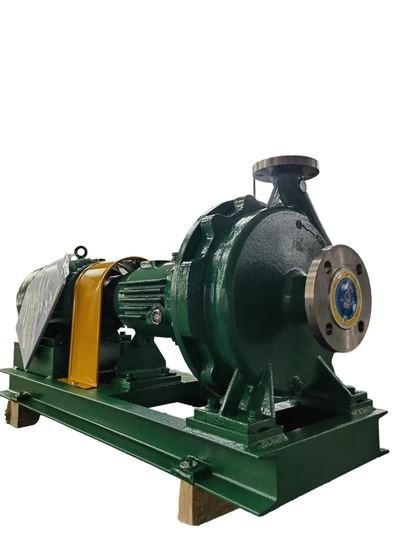
As a Multistage Pressure Pump supplier, we offer a wide range of pumps to meet different industrial needs. For example, our Industrial Sewage Multistage Pump is designed to handle industrial sewage with high efficiency and reliability. Our Multistage Petrochemical Process Pump is suitable for petrochemical processes, providing stable pressure and flow. And our Multistage Chemical Pump is resistant to corrosion and can handle various chemicals safely.

Conclusion
Checking the balance of a multistage pressure pump is a crucial task that requires careful attention and the use of appropriate tools and techniques. By regularly inspecting and maintaining the pump, you can ensure its optimal performance, extend its lifespan, and save on energy costs.
If you are interested in our Multistage Pressure Pumps or have any questions about pump balance checking or maintenance, please feel free to contact us for further discussion and procurement negotiation. We are committed to providing high - quality products and excellent service to meet your industrial needs.
References
- Pump Handbook, 4th Edition, by Igor J. Karassik, Joseph P. Messina, Paul Cooper, and Charles C. Heald
- ASME PTC 8.2 - 2010, Centrifugal Pumps - Performance Test Code