

As a seasoned supplier of Centrifugal Pump Mixed Flow, I've encountered numerous inquiries regarding the adjustment of discharge pressure. This blog aims to provide a comprehensive guide on how to effectively adjust the discharge pressure of a centrifugal pump mixed flow, covering various aspects from basic principles to practical adjustment methods.
Understanding the Basics of Centrifugal Pump Mixed Flow
Before delving into the adjustment methods, it's essential to understand the working principle of a centrifugal pump mixed flow. A centrifugal pump mixed flow combines the features of both centrifugal and axial pumps. It uses a combination of centrifugal force and axial flow to transfer fluid. The impeller in a mixed - flow pump imparts energy to the fluid in both the radial and axial directions, resulting in a flow pattern that is intermediate between that of a pure centrifugal pump and an axial pump.
The discharge pressure of a centrifugal pump mixed flow is influenced by several factors, including the pump speed, impeller diameter, and the system resistance. The pump speed is directly proportional to the discharge pressure. According to the affinity laws, if the speed of the pump is increased, the discharge pressure will increase proportionally to the square of the speed ratio. The impeller diameter also plays a crucial role. A larger impeller diameter generally results in a higher discharge pressure. Additionally, the system resistance, which includes factors such as pipe friction, elevation changes, and valve settings, affects the discharge pressure. A higher system resistance will require the pump to generate a higher discharge pressure to maintain the desired flow rate.
Methods to Adjust the Discharge Pressure
1. Adjusting the Pump Speed
One of the most common and effective ways to adjust the discharge pressure of a centrifugal pump mixed flow is by changing the pump speed. This can be achieved through various means, such as using a variable frequency drive (VFD). A VFD allows for precise control of the motor speed, which in turn controls the pump speed. By increasing the pump speed, the centrifugal force acting on the fluid increases, resulting in a higher discharge pressure. Conversely, decreasing the pump speed will lower the discharge pressure.
When using a VFD, it's important to ensure that the pump and motor are compatible with the VFD. Some pumps may have limitations on the minimum and maximum speeds at which they can operate efficiently. Additionally, the VFD should be properly sized and configured to match the pump and motor requirements.
2. Changing the Impeller Diameter
Another method to adjust the discharge pressure is by changing the impeller diameter. If a higher discharge pressure is required, a larger impeller can be installed. However, this process requires careful consideration. Changing the impeller diameter can affect the pump's performance characteristics, such as the flow rate and efficiency. It's important to consult the pump manufacturer's guidelines or perform detailed hydraulic calculations before making any changes to the impeller diameter.
In some cases, the pump may be designed with a modular impeller system, which allows for easy replacement of the impeller. This can be a convenient option for adjusting the discharge pressure without significant modifications to the pump.
3. Modifying the System Resistance
Adjusting the system resistance is also an effective way to control the discharge pressure. This can be done by changing the valve settings in the piping system. Closing a valve will increase the system resistance, which in turn will increase the discharge pressure of the pump. Opening the valve will decrease the system resistance and lower the discharge pressure.
However, it's important to note that excessive valve throttling can lead to reduced pump efficiency and increased energy consumption. Therefore, valve adjustment should be used judiciously, and other methods such as speed or impeller diameter adjustment should be considered first.
Practical Considerations
1. Safety Precautions
When adjusting the discharge pressure of a centrifugal pump mixed flow, safety should always be the top priority. Before making any adjustments, ensure that the pump is properly shut down and isolated from the power source. Wear appropriate personal protective equipment (PPE), such as safety glasses and gloves. When working on the pump or the piping system, be aware of potential hazards such as high - pressure fluid leaks or electrical shock.

2. Monitoring and Testing
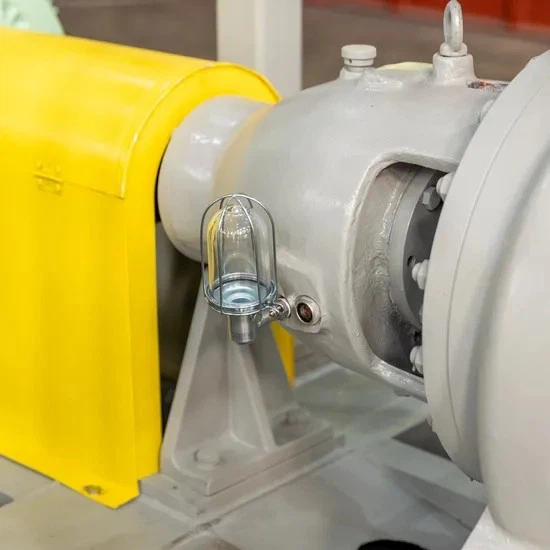
After making any adjustments to the discharge pressure, it's important to monitor the pump's performance. Use pressure gauges and flow meters to measure the discharge pressure and flow rate. Compare the measured values with the desired values and make further adjustments if necessary. Regular testing and monitoring can help ensure that the pump is operating efficiently and safely.
Product Recommendations
As a Centrifugal Pump Mixed Flow supplier, we offer a wide range of high - quality pumps to meet different application requirements. For applications that require a vacuum environment, our Vacuum Centrifugal Vertical Mixed Flow Pump is an excellent choice. It is designed to operate efficiently in vacuum conditions and can provide reliable performance.
If you need a pump for high - pressure applications, especially those involving gravel, our High Pressure Gravel Mixed Flow Pump is a suitable option. It is built to withstand the harsh conditions of gravel handling and can deliver high - pressure performance.
For applications related to gravel dewatering and oil handling, our Gravel Dewatering Oil Mixed Flow Pump is specifically designed to meet these needs. It offers efficient dewatering and oil handling capabilities.
Contact for Purchase and Negotiation
If you are interested in our Centrifugal Pump Mixed Flow products or need further assistance with adjusting the discharge pressure, please feel free to contact us. Our team of experts is ready to provide you with detailed product information, technical support, and competitive pricing. We look forward to working with you to meet your pumping needs.
References
- Karassik, I. J., Messina, R. S., Cooper, P. T., & Heald, C. C. (2008). Pump Handbook. McGraw - Hill.
- Stepanoff, A. J. (1957). Centrifugal and Axial Flow Pumps: Theory, Design, and Application. Wiley.