

Hey there! As a multistage pump supplier, I've seen firsthand how important energy-saving is in multistage pump operation. Not only does it cut down on costs, but it's also better for the environment. In this blog, I'll share some tips on how to achieve energy-saving in a multistage pump operation.

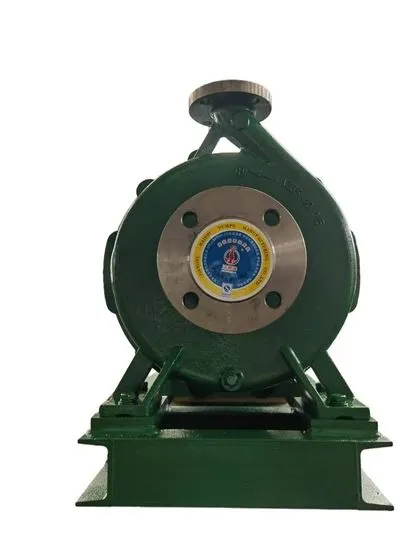
Understanding Multistage Pumps
Before we dive into energy-saving tips, let's quickly go over what multistage pumps are. Multistage pumps have multiple impellers arranged in series. This setup allows them to generate higher pressures compared to single-stage pumps. They're used in a wide range of applications, from water supply and irrigation to industrial processes.
We offer different types of multistage pumps, like the Multistage Submersible Centrifugal Pump, Multistage Pressure Pump, and Horizontal Split Multistage Pump. Each type has its own features and is suitable for specific applications.
Proper Sizing of the Pump
One of the most crucial steps in achieving energy-saving is to make sure the pump is properly sized for the application. An oversized pump will consume more energy than necessary. It'll operate at a lower efficiency point, leading to wasted power. On the other hand, an undersized pump won't be able to meet the required flow and pressure, which can cause it to work harder and also waste energy.
When selecting a pump, you need to accurately calculate the required flow rate and pressure. Consider factors like the height the fluid needs to be lifted (head), the distance it needs to be transported, and any friction losses in the pipes. Our team can help you with these calculations to ensure you get the right-sized pump for your needs.
Regular Maintenance
Regular maintenance is key to keeping your multistage pump running efficiently. Over time, wear and tear can cause the pump's performance to decline, leading to increased energy consumption. Here are some maintenance tasks you should do regularly:
- Inspect and Clean the Impellers: Impellers can get clogged with debris, which can reduce their efficiency. Check them regularly and clean any dirt or debris.
- Check the Seals: Leaking seals can cause the pump to lose pressure and waste energy. Replace any worn-out seals promptly.
- Lubricate Moving Parts: Proper lubrication reduces friction between moving parts, which in turn reduces energy consumption. Make sure to use the right type of lubricant and follow the manufacturer's recommendations.
- Monitor the Pump's Performance: Keep an eye on the pump's flow rate, pressure, and power consumption. Any significant changes could indicate a problem that needs to be addressed.
Optimize the Pump System
The pump doesn't operate in isolation; it's part of a larger system. Optimizing the entire system can lead to significant energy savings. Here are some ways to do that:
- Reduce Pipe Friction: Use pipes with a larger diameter to reduce friction losses. Also, make sure the pipes are properly installed and free of bends and kinks that can increase resistance.
- Use Variable Frequency Drives (VFDs): VFDs allow you to adjust the speed of the pump motor according to the actual demand. Instead of running the pump at a constant speed, you can reduce its speed when the demand is low, which saves energy.
- Implement a Pressure Control System: A pressure control system can maintain a constant pressure in the system. This prevents the pump from overworking and reduces energy consumption.
Choose High-Efficiency Pumps
When it's time to replace your pump or add a new one to your system, choose a high-efficiency model. High-efficiency pumps are designed to convert more of the electrical energy into useful hydraulic energy, resulting in less wasted energy.
Our pumps are engineered with the latest technology to provide high efficiency. We use advanced materials and design techniques to minimize losses and maximize performance. When you choose our pumps, you're not only getting a reliable product but also one that will help you save on energy costs in the long run.
Training and Education
Proper training of the operators is essential for achieving energy-saving in multistage pump operation. Operators should understand how the pump works, how to monitor its performance, and how to perform basic maintenance tasks.
We offer training programs for our customers. Our experts will teach your operators how to operate the pump safely and efficiently. They'll also provide tips on how to identify and troubleshoot common problems to prevent energy waste.
Case Studies
Let me share a couple of case studies to illustrate the benefits of energy-saving in multistage pump operation.
-
Case Study 1: A Water Treatment Plant
A water treatment plant was using an old, inefficient multistage pump. The pump was oversized for the application, and it was consuming a lot of energy. We recommended replacing it with a properly sized, high-efficiency pump and installing a VFD. After the upgrade, the plant saw a significant reduction in energy consumption. They were able to save up to 30% on their electricity bills. -
Case Study 2: An Industrial Process
An industrial process required a constant flow of fluid at a specific pressure. The existing pump system was not well optimized, and there were high friction losses in the pipes. We helped the customer redesign the system, using larger diameter pipes and implementing a pressure control system. The result was a 25% reduction in energy consumption.
Conclusion
Achieving energy-saving in multistage pump operation is not only possible but also essential for reducing costs and protecting the environment. By following the tips I've shared in this blog, you can significantly improve the efficiency of your pump system.
If you're looking for high-quality multistage pumps or need help with optimizing your pump system, don't hesitate to contact us. We have a team of experts who can provide you with the right solutions for your needs. Let's work together to achieve energy-saving and make your operations more sustainable.
References
- "Pump Handbook" by Igor J. Karassik et al.
- "Energy Efficiency in Pumping Systems" by the Hydraulic Institute.