

As a supplier of multistage pressure pumps, I understand the significance of extending the lifespan of these valuable assets. Multistage pressure pumps are essential in various industrial and commercial applications, including water supply, irrigation, and industrial processes. Their reliability and longevity are crucial for ensuring continuous operation and minimizing downtime. In this blog post, I will share some practical tips on how you can extend the lifespan of a multistage pressure pump.
1. Proper Installation
The first step in ensuring the long - term performance of a multistage pressure pump is proper installation. Incorrect installation can lead to premature wear and tear, reduced efficiency, and even pump failure.

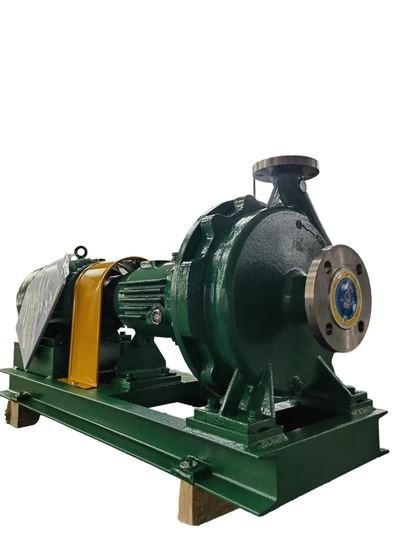
- Level and Stable Base: Ensure that the pump is installed on a level and stable base. A wobbly or uneven base can cause excessive vibration, which can damage the pump's internal components over time. Use appropriate mounting brackets and bolts to secure the pump firmly in place.
- Correct Piping: Use the correct size and type of piping for the pump. Incorrect piping can cause pressure drops, cavitation, and other problems. Make sure that the pipes are properly aligned and supported to prevent stress on the pump's connections.
- Valve Installation: Install isolation valves on the inlet and outlet of the pump. These valves allow you to shut off the flow of fluid to the pump for maintenance or repair without disrupting the entire system. Also, install check valves to prevent backflow, which can damage the pump.
2. Regular Maintenance
Regular maintenance is the key to extending the lifespan of a multistage pressure pump. Here are some maintenance tasks that you should perform regularly:
- Lubrication: Check the lubrication levels of the pump's bearings and other moving parts regularly. Use the recommended lubricant and follow the manufacturer's guidelines for lubrication intervals. Proper lubrication reduces friction and wear, which can significantly extend the life of the pump.
- Seal Inspection: Inspect the pump's seals regularly for signs of leakage. Leaking seals can allow fluid to escape, which can lead to a loss of pressure and damage to the pump's components. Replace any worn or damaged seals immediately.
- Filter Cleaning or Replacement: If the pump has a filter, clean or replace it regularly. A clogged filter can restrict the flow of fluid to the pump, causing it to work harder and reducing its efficiency. This can also lead to premature wear and tear on the pump's components.
3. Monitoring and Control
Monitoring the performance of the multistage pressure pump is essential for detecting problems early and taking corrective action.
- Pressure and Flow Monitoring: Install pressure gauges and flow meters on the inlet and outlet of the pump. Regularly monitor these readings to ensure that the pump is operating within the recommended range. Any significant changes in pressure or flow can indicate a problem with the pump or the system.
- Temperature Monitoring: Monitor the temperature of the pump's motor and other components. High temperatures can indicate overloading, poor lubrication, or other problems. If the temperature exceeds the recommended range, shut down the pump immediately and investigate the cause.
- Control System Optimization: Use a reliable control system to regulate the operation of the pump. The control system should be able to adjust the pump's speed and output based on the demand for fluid. This helps to prevent over - working the pump and reduces energy consumption.
4. Fluid Quality Management
The quality of the fluid being pumped can have a significant impact on the lifespan of the multistage pressure pump.
- Filtration: As mentioned earlier, use appropriate filters to remove solid particles from the fluid. Solid particles can cause abrasion and damage to the pump's impellers, seals, and other components. The filtration system should be designed to remove particles of the appropriate size for the pump.
- Chemical Treatment: In some cases, the fluid being pumped may contain chemicals or contaminants that can corrode or damage the pump. Use appropriate chemical treatment to neutralize these contaminants or prevent corrosion. For example, if the water has a high pH level, you may need to add a pH - adjusting chemical.
- Water Hardness: If the pump is used to pump water, be aware of the water hardness. Hard water contains high levels of calcium and magnesium, which can cause scale buildup in the pump. Use water softeners or descaling agents to prevent scale buildup.
5. Protection from Environmental Factors
Multistage pressure pumps should be protected from environmental factors that can damage them.
- Weather Protection: If the pump is installed outdoors, provide adequate weather protection. This can include a pump house or a shelter to protect the pump from rain, snow, and extreme temperatures. Extreme temperatures can affect the performance of the pump's motor and other components.
- Vibration Isolation: In industrial settings, there may be other equipment that generates vibrations. Use vibration isolation mounts to protect the pump from these external vibrations. Excessive vibrations can cause loose connections, damage to internal components, and premature wear.
6. Training and Operator Awareness
Ensure that the operators of the multistage pressure pump are properly trained. They should be aware of the pump's operating procedures, safety guidelines, and maintenance requirements.
- Proper Operation: Operators should be trained to start and stop the pump correctly, adjust the settings as needed, and monitor the pump's performance. Incorrect operation, such as starting the pump with a closed valve, can cause damage to the pump.
- Early Detection of Problems: Train operators to recognize the signs of potential problems, such as unusual noises, vibrations, or changes in pressure. Early detection allows for timely maintenance and can prevent major pump failures.
Our Product Range
At our company, we offer a wide range of multistage pressure pumps to meet different customer needs. Our Multistage Submersible Centrifugal Pump is designed for submersible applications, providing high - efficiency performance in various water - related tasks. The Horizontal Split Multistage Pump is suitable for industrial and commercial applications where high pressure is required. And our Industrial Sewage Multistage Pump is specifically designed to handle sewage and wastewater, with features that prevent clogging and ensure long - term operation.
Conclusion
Extending the lifespan of a multistage pressure pump requires a combination of proper installation, regular maintenance, monitoring, fluid quality management, environmental protection, and operator training. By following these tips, you can ensure that your pump operates efficiently and reliably for many years. If you are interested in purchasing a multistage pressure pump or need further advice on pump maintenance, please feel free to contact us for procurement and negotiation.
References
- Pump Handbook, Karassik, I. J., Messina, J. P., Cooper, P. E., & Heald, C. C. (2008).
- Industrial Pump Technology, Walas, S. M. (2010).