

Can a multistage pressure pump be used for hot water circulation? This is a question that often arises among those in need of efficient water - handling solutions, especially in applications where hot water needs to be circulated. As a reputable supplier of Multistage Pressure Pump, I am well - positioned to explore this topic in detail.
Understanding Multistage Pressure Pumps
Multistage pressure pumps are designed to deliver high - pressure water flow by utilizing multiple impellers in series. Each impeller adds energy to the fluid, increasing the overall pressure of the water as it moves through the pump. These pumps are known for their efficiency, reliability, and ability to handle a wide range of flow rates and pressures. They are commonly used in various industries, including water supply, irrigation, and industrial processes.

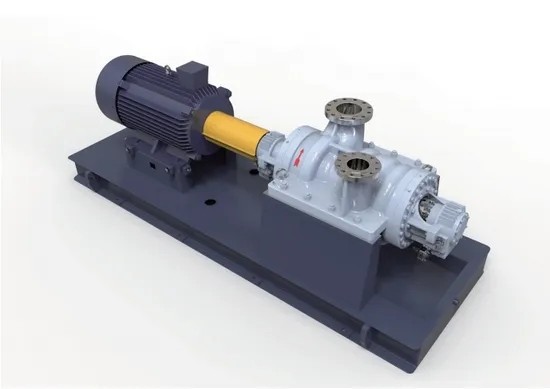
The basic working principle of a multistage pressure pump involves the rotation of impellers within a casing. As the impellers spin, they create a centrifugal force that draws water into the pump and propels it forward. With each additional impeller stage, the pressure of the water increases, allowing the pump to achieve the desired pressure for the specific application.
Hot Water Circulation Requirements
Hot water circulation systems are used in many settings, such as residential buildings, commercial complexes, and industrial facilities. The main goal of these systems is to ensure a continuous supply of hot water at a consistent temperature. To achieve this, the circulation pump needs to be able to handle high - temperature water and maintain a stable flow rate.
One of the key requirements for a hot water circulation pump is its ability to withstand high temperatures. Hot water can reach temperatures of up to 80 - 90 degrees Celsius or even higher in some industrial applications. The pump materials must be able to resist thermal expansion, corrosion, and degradation caused by the hot water. Additionally, the pump should be designed to prevent leaks and ensure the safety of the system.
Another important factor is the pump's ability to maintain a consistent flow rate. In a hot water circulation system, a stable flow of water is necessary to ensure that the hot water is evenly distributed throughout the system. Fluctuations in the flow rate can lead to uneven heating and reduced efficiency.
Using a Multistage Pressure Pump for Hot Water Circulation
Now, let's address the central question: Can a multistage pressure pump be used for hot water circulation? The answer is yes, but with some considerations.
Advantages
- High - Pressure Capability: Multistage pressure pumps are capable of generating high pressures, which is beneficial for hot water circulation systems. In large buildings or industrial facilities, the hot water needs to be circulated over long distances and through multiple floors or sections. The high - pressure output of a multistage pump can ensure that the hot water reaches all parts of the system effectively.
- Efficiency: These pumps are designed to be energy - efficient. By using multiple impellers in series, they can achieve the desired pressure with less energy consumption compared to single - stage pumps. This is particularly important for hot water circulation systems, which often run continuously, resulting in significant energy costs over time.
- Versatility: Multistage pressure pumps can be customized to meet the specific requirements of different hot water circulation applications. They can be configured with different numbers of impellers, flow rates, and pressure ratings, allowing for a tailored solution for each project.
Considerations
- Material Selection: As mentioned earlier, the pump materials must be able to withstand high temperatures. For hot water circulation, pumps are typically made of materials such as stainless steel or other heat - resistant alloys. These materials can resist corrosion and thermal expansion, ensuring the long - term reliability of the pump.
- Sealing and Lubrication: The seals and lubricants used in the pump must also be suitable for high - temperature applications. Special high - temperature seals are required to prevent leaks, and the lubricants must maintain their properties at elevated temperatures to ensure smooth operation.
- System Design: The overall design of the hot water circulation system, including the pipe layout, valve selection, and heat exchanger design, can affect the performance of the multistage pressure pump. Proper system design is crucial to ensure that the pump operates within its optimal range and achieves the desired hot water circulation.
Types of Multistage Pumps for Hot Water Circulation
There are different types of multistage pumps that can be used for hot water circulation. Two common types are Multistage Submersible Centrifugal Pump and Multistage Petrochemical Process Pump.
Multistage Submersible Centrifugal Pump
These pumps are designed to be submerged in the water source. They are often used in applications where the water needs to be lifted from a lower level, such as a well or a storage tank. For hot water circulation, submersible pumps can be installed in a hot water storage tank, providing a compact and efficient solution. The submersible design also helps to reduce noise and vibration.
Multistage Petrochemical Process Pump
These pumps are specifically designed for use in petrochemical and other industrial processes. They are built to handle high - pressure, high - temperature fluids and are often used in applications where the hot water is part of a more complex industrial process. Petrochemical process pumps are typically made of high - quality materials and are designed to meet strict safety and performance standards.
Case Studies
To illustrate the effectiveness of using multistage pressure pumps for hot water circulation, let's look at a few case studies.
Residential Building
In a large residential building, a multistage pressure pump was installed for hot water circulation. The pump was able to maintain a consistent flow rate and pressure, ensuring that all residents had access to hot water at a stable temperature. The energy - efficient design of the pump also helped to reduce the building's overall energy consumption.
Industrial Facility
An industrial facility required a hot water circulation system for its manufacturing process. A multistage petrochemical process pump was selected due to its ability to handle high - temperature and high - pressure water. The pump was able to meet the strict requirements of the industrial process, providing reliable hot water circulation and contributing to the smooth operation of the facility.
Conclusion
In conclusion, a multistage pressure pump can indeed be used for hot water circulation. Its high - pressure capability, efficiency, and versatility make it a suitable choice for many hot water circulation applications. However, it is important to consider factors such as material selection, sealing, and system design to ensure the pump's long - term performance and reliability.
If you are in need of a multistage pressure pump for your hot water circulation system, we are here to help. Our team of experts can provide you with the right pump solution tailored to your specific requirements. Contact us to start a procurement discussion and find the best multistage pressure pump for your project.
References
- "Pump Handbook" by Igor J. Karassik et al.
- "Thermal Hydraulics of Water - Cooled Nuclear Reactors" by John Lienhard and John Lienhard V.
- Industry standards and guidelines related to hot water circulation systems and pump design.