

Can a High Pressure Pump be Used for Oil Transfer?
As a well - established high pressure pump supplier, I've encountered numerous inquiries regarding the suitability of high pressure pumps for oil transfer. This topic is of great significance, especially in industries where efficient and reliable oil transfer is crucial. In this blog, I'll delve into the technical aspects, advantages, limitations, and practical considerations of using high pressure pumps for oil transfer.
Technical Feasibility
High pressure pumps are designed to generate a significant amount of pressure to move fluids through pipelines or systems. The basic principle behind their operation involves creating a pressure differential that forces the fluid to flow. When it comes to oil transfer, the key factors determining the technical feasibility of using a high pressure pump are the viscosity of the oil, the required flow rate, and the distance of the transfer.
Oil, depending on its type (such as crude oil, diesel, or lubricating oil), has different viscosities. Viscosity is a measure of a fluid's resistance to flow. High - viscosity oils, like heavy crude oil, require more force to move compared to low - viscosity oils such as gasoline. High pressure pumps are capable of overcoming the resistance caused by high viscosity. They can generate the necessary pressure to push the oil through pipes, even over long distances.
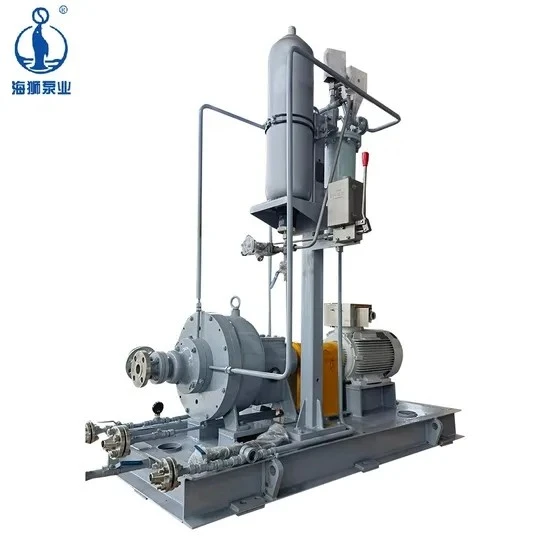

The flow rate is another critical factor. Different industrial applications have varying requirements for the volume of oil that needs to be transferred per unit of time. High pressure pumps can be engineered to provide a wide range of flow rates. By adjusting the pump's design parameters, such as the size of the pump chamber, the speed of the pumping mechanism, and the power of the motor, we can meet the specific flow rate demands for oil transfer.
Advantages of Using High Pressure Pumps for Oil Transfer
-
Efficient Long - Distance Transfer
High pressure pumps are ideal for transferring oil over long distances. In oil fields, for example, oil needs to be transported from the wellhead to storage facilities or refineries, which can be located miles away. The high pressure generated by the pump ensures that the oil can flow smoothly through the pipelines without significant pressure losses. This reduces the need for multiple intermediate pumping stations, saving both capital and operational costs. -
Precise Control
Modern high pressure pumps offer precise control over the flow rate and pressure. This is essential in applications where accurate dosing of oil is required, such as in the chemical industry or in some manufacturing processes. For instance, in a chemical plant, a specific amount of oil may need to be added to a reaction mixture at a controlled rate. High pressure pumps can be programmed to deliver the exact volume of oil as needed, improving the quality and consistency of the final product. -
Versatility
High pressure pumps can handle different types of oils, from light fuels to heavy lubricants. Whether it's transferring diesel fuel in a transportation fueling station or moving heavy - grade lubricating oil in a machinery manufacturing plant, high pressure pumps can be adapted to the specific requirements of the oil being transferred.
Limitations and Challenges
-
High Initial Cost
One of the main limitations of high pressure pumps is their relatively high initial cost. The advanced technology and engineering required to build a high pressure pump capable of handling oil transfer make it more expensive than some other types of pumps. However, it's important to consider the long - term benefits, such as energy efficiency and reduced maintenance costs, which can offset the initial investment. -
Maintenance Requirements
High pressure pumps operate under extreme conditions, which means they require regular maintenance to ensure their reliable performance. The high - pressure components, such as seals and valves, are subject to wear and tear. If not properly maintained, these components can fail, leading to leaks and reduced pump efficiency. Regular inspection, lubrication, and replacement of worn parts are necessary to keep the pump in good working condition. -
Safety Concerns
Handling high - pressure oil transfer systems involves certain safety risks. High pressure can cause pipes to burst if they are not properly designed or maintained. Additionally, oil is a flammable substance, so proper safety measures need to be in place to prevent fires and explosions. This includes installing pressure relief valves, using fire - resistant materials, and implementing strict safety protocols for operation and maintenance.
Practical Considerations
When selecting a high pressure pump for oil transfer, several practical considerations should be taken into account.
-
Material Compatibility
The materials used in the pump construction must be compatible with the type of oil being transferred. Some oils may be corrosive, especially if they contain acidic or alkaline components. The pump's wetted parts, such as the impeller, casing, and seals, should be made of materials that can resist corrosion, such as stainless steel or special alloys. -
Power Source
High pressure pumps require a reliable power source. Depending on the location and the nature of the application, different power sources can be used. For on - site oil transfer in remote areas, diesel - powered pumps like our High Pressure Water Pump Diesel can be a practical choice. They offer high mobility and can operate independently of the electrical grid. In industrial settings with access to electricity, electric - powered pumps are more common. -
System Integration
The high pressure pump needs to be integrated into the overall oil transfer system. This includes ensuring proper pipe sizing, valve installation, and the connection of monitoring and control devices. The pump should be compatible with the existing infrastructure and should be able to work in harmony with other components of the system, such as filters, meters, and storage tanks.
Types of High Pressure Pumps Suitable for Oil Transfer
-
Positive Displacement Pumps
Positive displacement pumps are commonly used for oil transfer. They work by trapping a fixed volume of oil and then forcing it out of the pump chamber. Examples of positive displacement pumps include piston pumps and gear pumps. Piston pumps are capable of generating very high pressures and are suitable for applications where high - pressure and low - flow rate are required, such as in hydraulic systems. Gear pumps, on the other hand, are known for their smooth and continuous flow, making them ideal for transferring lubricating oils in machinery. -
Centrifugal Pumps
Centrifugal pumps are also used for oil transfer, especially for applications that require high flow rates at relatively lower pressures. They work by using a rotating impeller to impart kinetic energy to the oil, which is then converted into pressure energy. Centrifugal pumps are simple in design, easy to maintain, and can handle large volumes of oil. For chemical processes involving oil transfer, our High Pressure Chemical Process Pump and High Pressure Chemical Fuel Pump are designed to meet the specific requirements of chemical compatibility and pressure.
In conclusion, high pressure pumps can indeed be used for oil transfer, offering many advantages in terms of efficiency, control, and long - distance capabilities. However, it's important to carefully consider the technical requirements, limitations, and practical aspects of the application. As a high pressure pump supplier, we have the expertise and experience to help you select the most suitable pump for your oil transfer needs. Whether you are in the oil and gas industry, chemical manufacturing, or any other sector that requires oil transfer, we can provide customized solutions.
If you are interested in learning more about our high pressure pumps for oil transfer or would like to discuss your specific requirements, please feel free to contact us for a detailed consultation. We look forward to working with you to ensure the success of your oil transfer operations.
References
- "Handbook of Pump Technology" by Igor J. Karassik et al.
- "Centrifugal and Positive Displacement Pumps: Theory, Design, and Application" by Heinz P. Bloch and Fred K. Geitner.
- Industry reports on oil transfer systems and pump technology.