

Hey there! As a supplier of Horizontal Split Multistage Pumps, I've seen firsthand how crucial it is to design a solid foundation for these pumps. In this blog, I'll share some tips on how to design the foundation for a horizontal split multistage pump.
Understanding the Basics of Horizontal Split Multistage Pumps
First off, let's quickly go over what a Horizontal Split Multistage Pump is. These pumps are designed to handle high-pressure applications by using multiple impellers in series. They're commonly used in various industries, including water supply, power generation, and oil and gas.
The horizontal split design means that the pump casing is split horizontally, which makes it easier to access the internal components for maintenance and repair. Multistage pumps are great because they can generate higher pressures compared to single-stage pumps, which is super useful in applications where you need to move fluids over long distances or to high elevations.
Why a Good Foundation Matters
A proper foundation is the backbone of any pump installation. It provides support for the pump and motor, reduces vibration, and helps ensure the long-term reliability and efficiency of the pump. Without a good foundation, the pump can experience excessive vibration, which can lead to premature wear and tear on the components, increased noise levels, and even pump failure.
Factors to Consider When Designing the Foundation
1. Load Capacity
The first thing you need to consider is the load capacity of the foundation. This includes the weight of the pump, motor, and any associated equipment, as well as the dynamic loads generated by the pump during operation. You need to make sure that the foundation can support these loads without settling or cracking.
To calculate the load capacity, you'll need to know the weight of the pump and motor, which can usually be found in the manufacturer's specifications. You'll also need to consider the dynamic loads, which are caused by the rotation of the impellers and the flow of the fluid through the pump. These loads can be estimated based on the pump's operating conditions, such as the flow rate and pressure.
2. Vibration Isolation
Vibration is a common problem in pump installations, and it can have a significant impact on the performance and lifespan of the pump. To reduce vibration, you need to design the foundation to isolate the pump from the surrounding structure.
One way to do this is by using vibration isolators, such as rubber mounts or springs. These isolators absorb the vibrations generated by the pump and prevent them from being transmitted to the foundation and the surrounding structure. You'll need to choose the right type and size of vibration isolators based on the weight and operating conditions of the pump.
3. Levelness and Alignment
It's essential to ensure that the foundation is level and the pump is properly aligned. A misaligned pump can cause excessive wear on the bearings, seals, and other components, which can lead to premature failure.
To achieve proper levelness and alignment, you'll need to use a leveling instrument, such as a spirit level, to ensure that the foundation is flat and horizontal. You'll also need to use alignment tools, such as laser alignment systems, to ensure that the pump and motor are properly aligned.
4. Soil Conditions
The soil conditions at the installation site can have a significant impact on the design of the foundation. If the soil is soft or unstable, you may need to use a deeper foundation or a different type of foundation, such as a pile foundation, to ensure that the foundation is stable.
You'll need to conduct a soil test to determine the soil conditions at the installation site. The soil test will provide information about the soil type, density, and bearing capacity, which will help you design the foundation.
5. Environmental Factors
You also need to consider the environmental factors at the installation site, such as temperature, humidity, and corrosion. These factors can affect the performance and lifespan of the pump and the foundation.
For example, if the pump is installed in a corrosive environment, you'll need to use corrosion-resistant materials for the foundation and the pump components. If the temperature is extreme, you'll need to consider the thermal expansion and contraction of the materials used in the foundation and the pump.
Designing the Foundation
Once you've considered all the factors, you're ready to start designing the foundation. Here are the general steps:
1. Determine the Size and Shape of the Foundation
Based on the load capacity and the dimensions of the pump and motor, you'll need to determine the size and shape of the foundation. The foundation should be large enough to support the pump and motor and provide enough space for maintenance and access.
2. Select the Foundation Material
The most common materials used for pump foundations are concrete and steel. Concrete is a popular choice because it's strong, durable, and relatively inexpensive. Steel is also a good option, especially for smaller pumps or in applications where a lightweight foundation is required.
3. Design the Reinforcement
If you're using concrete for the foundation, you'll need to design the reinforcement to ensure that the foundation can withstand the loads and stresses. The reinforcement typically consists of steel bars or mesh, which are placed in the concrete to provide additional strength.
4. Provide Vibration Isolation
As mentioned earlier, vibration isolation is crucial for reducing vibration and ensuring the long-term reliability of the pump. You'll need to install vibration isolators between the pump and the foundation to absorb the vibrations.
5. Consider Access and Maintenance
Finally, you need to consider access and maintenance when designing the foundation. The foundation should provide easy access to the pump and motor for inspection, maintenance, and repair. You may also need to provide provisions for lifting and moving the pump and motor if necessary.
Installation and Commissioning
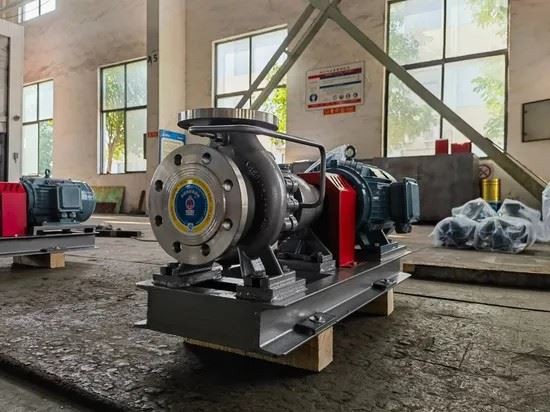
Once the foundation is designed and constructed, it's time to install the pump and motor. Here are some tips for a successful installation:
1. Follow the Manufacturer's Instructions
Make sure you follow the manufacturer's instructions for installing the pump and motor. This includes the proper alignment, leveling, and tightening of the bolts.
2. Check the Alignment and Levelness
Before starting the pump, check the alignment and levelness of the pump and motor again to ensure that they're still within the acceptable limits.

3. Fill the Pump with Fluid
Fill the pump with fluid before starting it to prevent dry running, which can damage the pump components.
4. Start the Pump Slowly
Start the pump slowly and gradually increase the speed to the operating speed. This will help prevent any sudden shocks or vibrations.
5. Monitor the Pump Performance
Once the pump is running, monitor its performance closely. Check the vibration levels, temperature, and pressure to ensure that the pump is operating properly.
Conclusion
Designing the foundation for a horizontal split multistage pump is a critical step in ensuring the long-term reliability and efficiency of the pump. By considering the load capacity, vibration isolation, levelness and alignment, soil conditions, and environmental factors, you can design a foundation that provides a stable and supportive base for the pump.
If you're in the market for a Horizontal Split Multistage Pump, Multistage Pressure Pump, or Industrial Sewage Multistage Pump, we're here to help. Our team of experts can provide you with the right pump for your application and offer guidance on the installation and maintenance of the pump. Contact us today to discuss your needs and get started on your pump project.
References
- Pump Installation and Maintenance Manuals
- Engineering Standards for Pump Foundations
- Soil Mechanics and Foundation Engineering Textbooks